
Last updated October 30, 2026
 Home additions & ADU
 Kitchen remodeling
 Bathroom remodeling
 Roofing
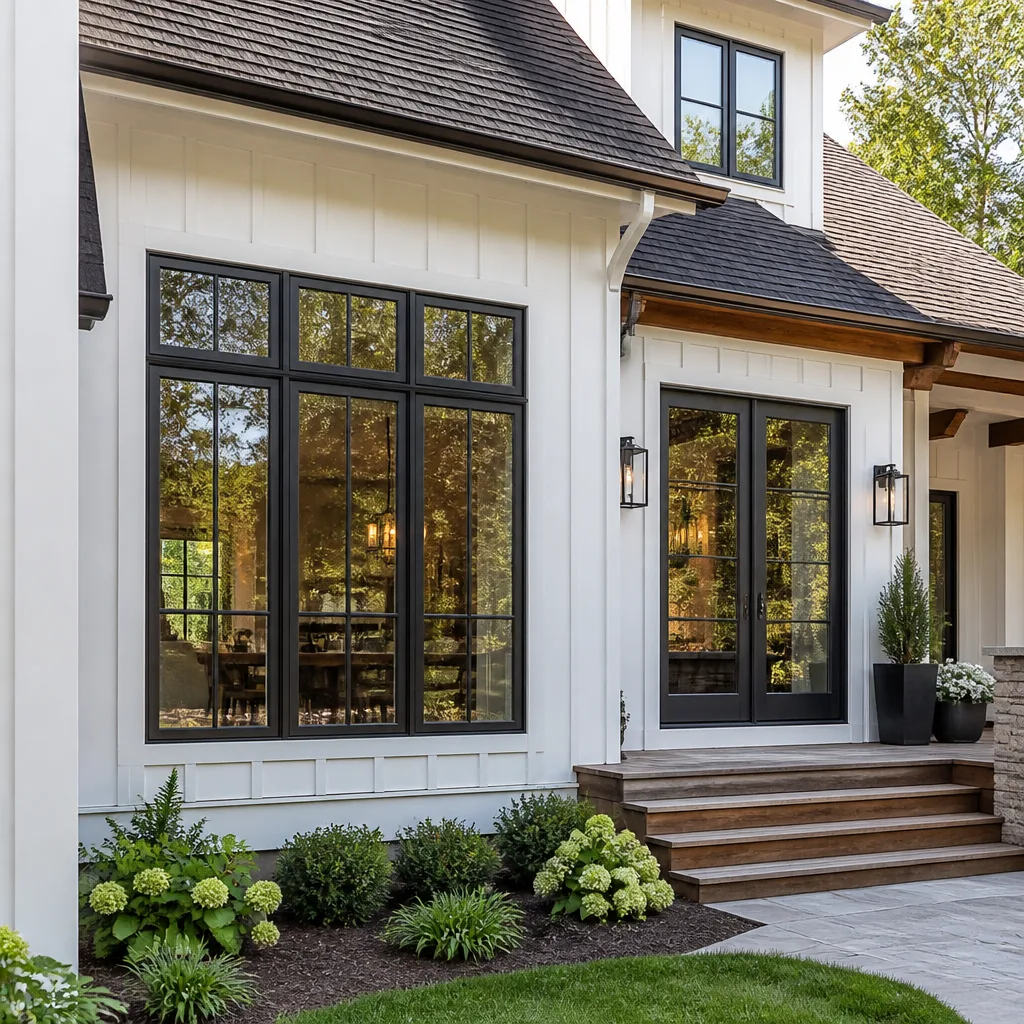 Windows & doors
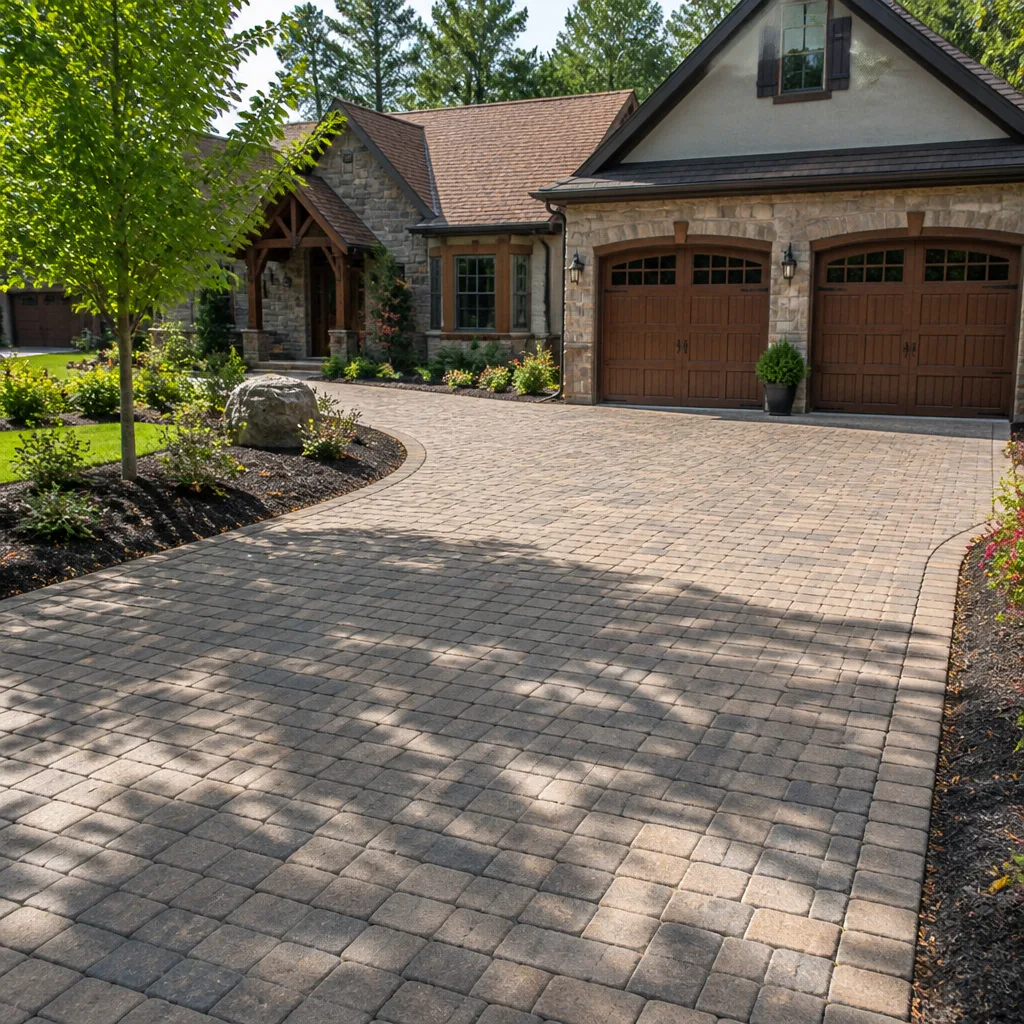 Driveway & pavers
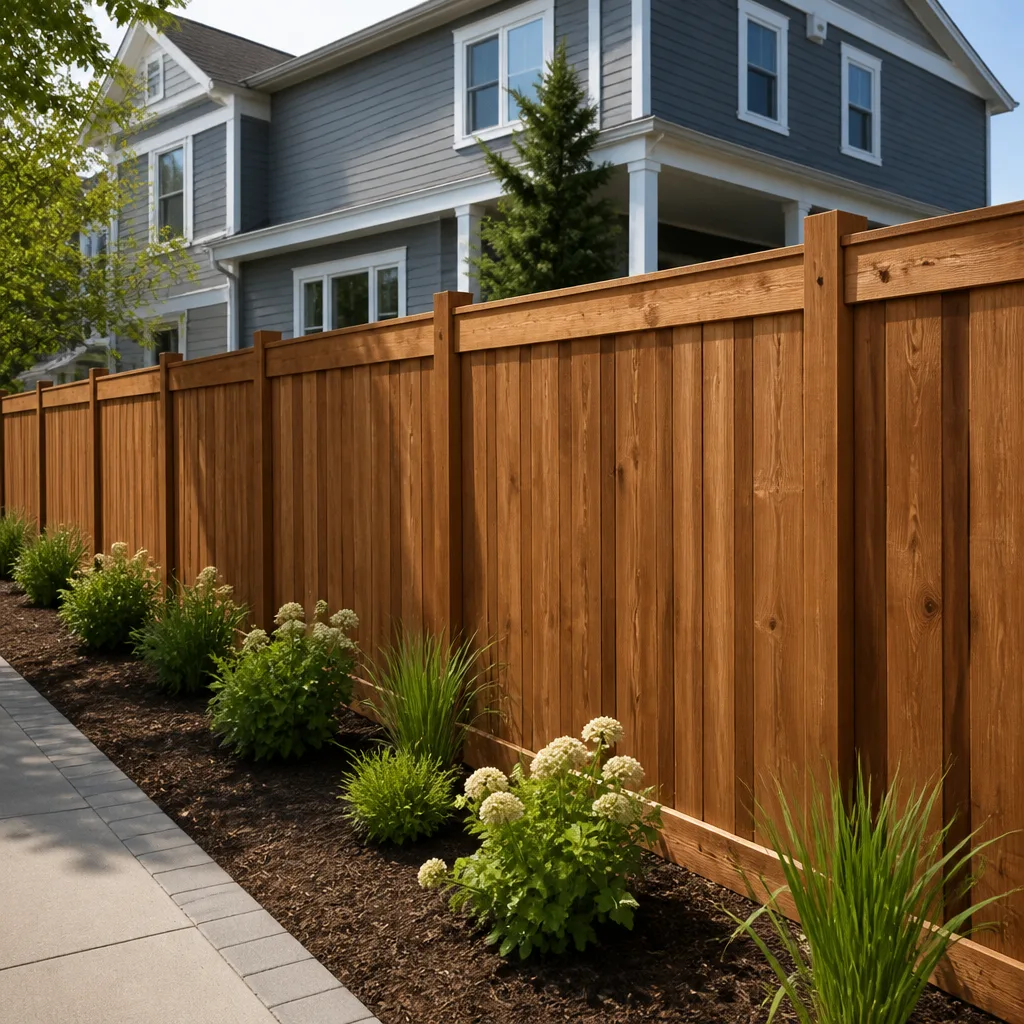 Fence
Free written scope consultation - allowances, timeline, and change-order rules on paper before a single trade is scheduled
The Complete General Contractor Guide for Fullerton Homeowners
Fullerton is one of the few Orange County cities where a single residential project can trigger two separate review tracks: the city’s building department and the Orange County Fire Authority. That split jurisdiction adds anywhere from two to six weeks to permit timelines when a contractor doesn’t know how to sequence the applications correctly. This guide explains exactly how that works, what it means for your schedule and budget, and how to evaluate a general contractor in Fullerton beyond the basics of license and insurance. If you’re planning a kitchen remodel, a roofing replacement, an ADU, or a whole-home renovation in Fullerton, you’ll walk away knowing what questions to ask before you sign anything.
Quick Answer
The best general contractor for a Fullerton home project is one who understands the city’s dual-jurisdiction permitting process, has a plan for the asbestos and knob-and-tube discoveries common in 1950s-1970s tract homes, and can document manufacturer-level relationships that protect your warranties. Expect permit timelines of 4 to 10 weeks depending on scope, and vet contractors by asking whether they self-perform core trades or broker everything to subs. A single-source contractor handles the entire project under one plan and one point of accountability.
Styles & brands we work with
Table of Contents
- How Fullerton’s Permitting Process Differs from Neighboring Cities
- When the Fire Authority Gets Involved in Your Fullerton Project
- Asbestos, Knob-and-Tube, and What Old Fullerton Homes Hide
- Why a Contractor’s Brand Relationships Affect Your Warranty
- Self-Performing Trades vs. Brokering Subs: How to Read the Bid
- What General Contracting Costs in Fullerton in 2026
- Interior, Exterior, and Prefab: What One Contractor Can Actually Handle
- Questions to Ask Before You Sign a Contract
How Fullerton’s Permitting Process Differs from Neighboring Cities
Fullerton runs its own building department, which means your permit application is reviewed by city plan checkers, not county staff. That sounds like an administrative detail until you compare timelines. In Anaheim, a simple kitchen remodel with no structural changes often clears plan check in two to three weeks. In Fullerton, the same scope routinely takes four to six weeks because the city’s review queue handles a higher volume of commercial and multifamily projects alongside residential work. Placentia, which contracts much of its plan check to outside consultants, sometimes turns things around faster but with less consistency on what gets flagged between reviewers.
What this means for your project: a contractor who quotes you a two-week permit timeline based on experience in Anaheim or Brea hasn’t done their homework in Fullerton. The realistic range for a standard interior remodel in Fullerton is four to eight weeks from submittal to permit issuance, assuming the plans are complete and the application is structured correctly on the first pass. Structural additions and ADUs run eight to twelve weeks or longer depending on the current queue and whether a fire authority review gets triggered.
We see the same pattern with inspections. Fullerton’s building inspectors cover specific geographic zones, and inspection windows are scheduled by day, not by time. A knowledgeable general contractor builds this into the project schedule instead of treating inspection day as a soft target. When your drywall rough-in inspection lands at 3:45 PM on a Friday and the inspector finds a strapping detail that needs correction, you lose the weekend. A contractor who has worked in Fullerton knows which details the local inspectors consistently flag and pre-checks them before calling for the inspection. That’s not insider knowledge. It’s repetition and attention to the city’s specific correction patterns, which differ from what Anaheim or Placentia inspectors focus on.
If you’re comparing bids from a Fullerton-based general contractor in Fullerton and one based in a neighboring city, ask the out-of-town bidder how many Fullerton projects they’ve permitted in the last two years. The answer tells you whether their timeline estimates are based on local experience or generic assumptions.
When the Fire Authority Gets Involved in Your Fullerton Project
The Orange County Fire Authority (OCFA) has jurisdiction over fire and life safety review for many properties in Fullerton, and certain project types require OCFA sign-off before the city issues the final permit. This is the dual-track issue that catches out-of-area contractors off guard, adding weeks to schedules and sometimes forcing plan revisions after a project has already been approved by the city.
Which Fullerton projects trigger OCFA review? Here’s a practical breakdown:
- ADUs and garage conversions: Almost always trigger OCFA review because they change the occupancy and access profile of the property. Fire department access, egress windows, and smoke alarm interconnection all come under scrutiny.
- Additions that change the footprint: A room addition that alters the distance from the street to the structure can trigger a fire access review, especially on flag lots or properties with long driveways.
- Roofing material changes: In some Fullerton neighborhoods, particularly those in the wildland-urban interface zones near the northern hills, roof replacements require Class A fire-rated materials and OCFA inspection.
- Kitchen remodels with gas line modifications: Moving a gas range or adding a gas line for a new cooktop can trigger an OCFA plumbing and mechanical review separate from the city’s review.
- Exterior door and egress changes: Replacing a sliding door with a wall or changing window sizes in bedrooms falls under fire egress requirements, and OCFA may need to sign off.
A seasoned Fullerton general contractor structures the permit application to run the city and OCFA reviews in parallel rather than sequentially. The sequential approach, which is what happens when a contractor files the city application first and waits for approval before submitting to OCFA, adds three to five weeks to the timeline. Running both tracks simultaneously requires knowing which documents each agency needs and submitting the complete package from day one. When we manage a Fullerton project that requires OCFA review, the application packet goes out with both submissions prepared at the same time. That’s the difference between a ten-week permit and a fifteen-week permit on an ADU.
The lesson for homeowners: when you get a bid, ask the contractor, “Will this project require fire authority review, and how will you structure the application?” If they can’t answer that question clearly, keep looking. The answer reveals whether they’ve actually permitted work in Fullerton before.
Asbestos, Knob-and-Tube, and What Old Fullerton Homes Hide
Fullerton’s housing stock tells a specific story. Large parts of the city were built out between 1955 and 1975, which means the tract homes south of Chapman Avenue, around Sunny Hills, and in the neighborhoods off Euclid and Harbor share common construction methods. That era gives us a reliable list of what to expect when walls come down.
Asbestos is a when, not an if. Homes built before 1978 in Fullerton commonly contain asbestos in popcorn ceilings, vinyl floor tiles and mastic, duct insulation, drywall joint compound, and even in some roofing materials. California requires asbestos testing and certified abatement when the material is disturbed. A general contractor who has worked on Fullerton’s older homes budgets for a pre-demolition asbestos survey as a line item, not a surprise change order. The survey costs a few hundred dollars and tells you before demolition starts what needs abatement. Skipping it violates state law and creates a health hazard for the crew and your family. We include the survey in every pre-1980 Fullerton project scope because the cost is predictable and the alternative, stopping work mid-demolition when the wall texture tests positive, is not.
Knob-and-tube wiring shows up in Fullerton’s 1920s-1940s neighborhoods too. The historic districts around downtown Fullerton and the Craftsman-era homes near Hillcrest Park and the Fullerton College area often still have active knob-and-tube circuits. The issue isn’t that knob-and-tube is inherently dangerous. It’s that insurers increasingly refuse to write policies on homes with active knob-and-tube, and any remodel that touches those circuits triggers a California code requirement to replace them. What starts as a $18,000 kitchen remodel becomes a $32,000 project when the electrician opens the walls and finds cloth-wrapped wiring running up to the attic. A Fullerton contractor who knows these neighborhoods flags the risk during the walkthrough and includes a contingency line for electrical remediation in the initial bid. A contractor who doesn’t know Fullerton discovers it during rough-in and hits you with a change order.
This is where the single-source general contractor model earns its fee. When asbestos abatement and electrical remediation need to happen mid-project, the GC coordinates the abatement crew, the electrician, and the city inspection in the right order without you making a dozen phone calls. You get one point of contact and one schedule, which matters more on old Fullerton homes than on new construction anywhere.
Why a Contractor’s Brand Relationships Affect Your Warranty
Most homeowners evaluate a contractor by license, insurance, and past project photos. Those matter. But the underrated variable in Fullerton is who your contractor buys from and what that relationship means for warranty claims three years after the project wraps.
Here’s the practical difference. A contractor who buys windows from whatever supplier has a sale this month gets the product, installs it, and disappears. When the window seal fails in year four, the homeowner files a warranty claim directly with the manufacturer and gets caught in a support queue. Now compare that to a contractor with a structured relationship with a manufacturer like Therma-Tru for entry doors or ViewLux for window systems. That contractor has a direct rep, understands the specific warranty terms, and can often get a claim resolved in days rather than months because the manufacturer recognizes the contractor as a certified installer or a qualified dealer.
For Fullerton homeowners, this matters for two reasons. First, Fullerton’s climate, with its hot dry summers and occasional Santa Ana wind events, puts real stress on exterior products. Entry doors facing west take direct afternoon sun, and vinyl windows that aren’t rated for Fullerton’s UV exposure fade and warp faster than the warranty period suggests. Second, warranty claims in Orange County move faster when a local contractor with manufacturer relationships makes the call on your behalf.
At Elmwood Contractors, we name the brands going into your home before the contract is signed. For exterior doors, that might mean Therma-Tru or Mr-Glass product lines depending on your budget and Fullerton’s exposure conditions on your specific lot. For windows, we work with manufacturers like PGT and CGI for impact-rated options and ViewLux for high-efficiency vinyl. The point isn’t brand loyalty. It’s that we recommend products because they perform in Fullerton’s climate and because we can stand behind the warranty when something fails. A contractor who can’t tell you which brands they install and who their manufacturer reps are is telling you something important about how they’ll handle a warranty issue when it arises.
This same logic applies to roofing. GAF, CertainTeed, and Owens Corning all run certified installer programs that extend the manufacturer’s warranty when the roof is installed by a participating contractor. In Fullerton, where roofing warranties get tested by heat and UV exposure, that extended coverage is real value. Ask any contractor bidding your roof replacement: “Are you certified by the manufacturer, and does your installation qualify for the extended warranty?” The answer should be yes and yes.
Self-Performing Trades vs. Brokering Subs: How to Read the Bid
There are two general contractor models in Fullerton, and the difference shows up in your bid. The first is the self-performing contractor who employs crews for key trades, typically carpentry, framing, and sometimes finish work. The second is the brokering contractor who runs the project with subcontractors for every trade from demolition to paint and charges a markup for coordination. Neither model is automatically better, but the bid structure tells you what you’re getting, and that affects both cost and accountability.
- Look at the line items, not just the total. A self-performing contractor’s bid will show in-house labor for specific trades. A brokering contractor’s bid will show subcontracted labor for nearly everything. The brokered bid is often 15-25% higher on those line items because each sub’s price includes their own markup, and the GC adds a coordination fee on top.
- Ask who shows up on day one of demolition. If the answer is “our crew,” that’s a self-performing trade. If the answer is “a demo sub we work with,” that’s brokered. Neither answer is wrong. What’s wrong is when the contractor can’t tell you clearly.
- Check how change orders get priced. Self-performing contractors can often absorb small scope changes into their own labor without the change order markups that happen when a sub needs to be re-quoted. Brokering contractors have less flexibility because every change flows through a third party.
- Ask about the schedule. A brokering contractor’s schedule depends on sub availability, which in Fullerton’s busy market can mean a two-week wait for an electrician. A self-performing contractor who handles framing and carpentry in-house controls more of the critical path directly.
The real question for a Fullerton homeowner is whether the contractor can coordinate the entire job, interior and exterior, under one plan. Fullerton’s older homes often need work across multiple systems at once: a kitchen remodel that exposes electrical issues, a roofing replacement that reveals fascia rot, new windows that change the framing load on a 1960s wall. A single-source general contractor manages all of it. That’s the difference between home remodeling in Fullerton coordinated by one entity and a patchwork of separate bids that leave gaps in accountability when trades overlap.
We tell Fullerton homeowners to ask the contractor directly: “Which trades do you self-perform, and which do you sub out?” A clear answer builds trust. A vague answer is a signal to move on.
What General Contracting Costs in Fullerton in 2026
Fullerton general contracting costs run slightly above the Orange County average due to the city’s permit timelines, the age of the housing stock, and the dual-jurisdiction review requirements. For detailed numbers, see our Construction Cost Breakdown: The Fullerton Homeowner’s Reference for 2026. Here’s what we see across current Fullerton projects:
- Kitchen remodel (100-150 sq ft, mid-range): $38,000 – $62,000 including cabinetry, countertops, plumbing fixtures, and electrical work. Fullerton’s older homes often add $3,000 – $7,000 for asbestos abatement or wiring remediation.
- Bathroom remodel (5×8, mid-range): $22,000 – $38,000 depending on plumbing changes and tile scope. Moving the toilet or shower pan triggers additional plumbing review and often adds $2,000 – $4,000.
- Roof replacement (1,500 sq ft ranch): $11,000 – $19,000 depending on material. Class A fire-rated shingles, required in some Fullerton zones, add $1,500 – $3,000.
- ADU (400-600 sq ft, prefab): $180,000 – $280,000 all-in with foundation, utilities, permits, and installation. Fullerton’s OCFA review adds time but not significant cost.
- Whole-home renovation (1,500-2,000 sq ft): $120,000 – $220,000 depending on scope and whether exterior work like windows and roofing is included.
These ranges reflect 2026 Fullerton market conditions. The variables that move the number most are the age of your home, whether fire authority review applies, and the specific brands you select. Cambria countertops cost more than Caesarstone, which costs more than Silestone, but each has a place in a Fullerton project depending on your budget and how long you plan to stay in the home. The same logic applies to your home renovation in Fullerton choices across every trade. A good contractor walks you through the trade-offs with specific product names rather than vague “upgrades.”
Fixed pricing with no change orders should be your expectation, not a pleasant surprise. When we bid a Fullerton project, the contingency for known risks like asbestos remediation in a 1968 tract home is written into the initial price. You know it’s there, and you’re not surprised when it happens. If a bid seems too cheap, ask whether the contingency for old-home discoveries is included. If the answer is no, the price will go up mid-project, and there’s nothing you can do about it at that point.
Interior, Exterior, and Prefab: What One Contractor Can Actually Handle
The phrase “general contractor” covers a wide range of capabilities in Fullerton, and the range matters. Some contractors only do interior work. Some only do exterior. Some are specialty subs who call themselves general contractors because it gets them more leads. A true single-source general contractor handles the full arc of a home project, which matters in Fullerton because the city’s older homes often need coordinated work across multiple systems at the same time.
Here’s what a full-scope general contractor coordinates on a typical Fullerton project:
- Interior: Kitchens, bathrooms, living spaces, flooring, drywall, painting, and electrical. This includes cabinetry from brands like KraftMaid and Wellborn, countertops from Cambria and Silestone, and plumbing fixtures from Kohler, Moen, Toto, and Grohe.
- Exterior envelope: Roofing with GAF, CertainTeed, and Owens Corning systems; siding including James Hardie fiber cement; windows and doors from PGT, CGI, and Therma-Tru; fencing from Master Halco and Ameristar; and hardscaping with Belgard, Unilock, and Techo-Bloc pavers.
- Prefab and ADU: Modern prefab systems from Abodu, Dvele, Mighty Buildings, and Boxabl, coordinated on-site in Fullerton with the same attention to permitting and inspections as a traditional build.
The advantage of a single-source contractor isn’t just convenience. It’s that the work gets sequenced correctly across trades. When we’re replacing a roof on a 1960s Fullerton home and the homeowner also wants new windows, the flashing details between the roofing crew and the window installers matter. If two different contractors handle those trades, the flashing responsibility falls into a gap, and water intrusion shows up two winters later. With one contractor, that gap doesn’t exist because one team owns the full building envelope.
Prefab is worth a special mention because Fullerton is one of the Orange County cities where ADU demand has grown fastest, driven by Cal Poly Fullerton and Fullerton College student housing pressure and the broader regional housing shortage. The dual-jurisdiction permitting adds complexity, but the prefab brands we work with, including Abodu and Dvele, already have designs engineered for California’s code requirements and Fullerton’s specific fire review standards. For a Fullerton homeowner considering an ADU, a general contractor who has navigated the city and OCFA process on a prefab installation saves weeks of back-and-forth. See our Complete Guide to Construction in Fullerton for a deeper walkthrough.
Questions to Ask Before You Sign a Contract
Here are the questions that separate a Fullerton general contractor who will deliver from one who will stumble through your project. Ask every one of them before you sign.
- “Will this project require fire authority review, and how will you structure the application?” The answer tells you whether they understand Fullerton’s dual-jurisdiction process. If they look confused, they haven’t permitted enough work in Fullerton.
- “What’s your plan for asbestos testing on my pre-1980 home?” The correct answer is: testing before demolition, abatement if needed, and a line item in the bid for it. Any contractor who says “we’ll see if we find anything” is planning to surprise you later.
- “Which trades do you self-perform and which do you sub out?” A straight answer builds trust. A contractor who self-performs framing or carpentry controls more of the schedule and often prices changes more fairly.
- “What brands are you planning to use, and why those brands for my project?” Look for specifics: Cambria vs. Caesarstone based on your cabinet color and usage patterns, Therma-Tru vs. Mr-Glass based on Fullerton’s west-facing sun exposure. A contractor who can’t name brands is buying whatever’s on sale.
- “Are you certified with the manufacturers you’re recommending?” For roofing, windows, and exterior doors, manufacturer certification extends warranties and confirms the contractor meets installation standards. The answer should be yes, with specific manufacturer names.
- “What’s your contingency for old-home discoveries, and is it in my bid?” The right answer is a specific percentage or dollar range written into the price, not an open-ended “we’ll handle it if it comes up” promise.
Common Mistakes to Avoid
- Assuming Anaheim timelines apply to Fullerton. Fullerton’s building department runs its own review process with different queue times. A contractor quoting Anaheim-speed permits hasn’t worked in Fullerton recently, and your project schedule will pay for it.
- Skipping the pre-demolition asbestos survey. It costs a few hundred dollars and is legally required for pre-1978 homes in California. Skipping it to save money creates a mid-project stall that costs far more than the survey.
- Signing a contract without a fire authority review plan. If your project triggers OCFA review and the application is filed sequentially instead of in parallel, you add a month or more to the timeline for no reason other than poor planning.
- Choosing a contractor based on the lowest bid without checking what’s in it. Low bids on Fullerton’s old homes almost always mean the asbestos, electrical, and fire review contingencies are missing. You’ll pay for them later as change orders.
- Ignoring the brand names in the bid. “Quality materials” means nothing. Therma-Tru, KraftMaid, Cambria, GAF: these names come with specific warranty structures and performance characteristics. If the bid doesn’t name brands, the contractor isn’t committing to anything specific.
- Hiring a contractor who can’t explain the inspection sequence. Fullerton’s inspectors have specific correction patterns and geographic zones. A contractor who treats inspection day as a surprise hasn’t done enough Fullerton projects to protect your schedule.
- Assuming every general contractor handles both interior and exterior. Many don’t. If your Fullerton project involves a kitchen remodel plus new windows and a roof, make sure you’re hiring one general contractor who owns the full scope, not three separate companies with no coordination between them.
See the difference
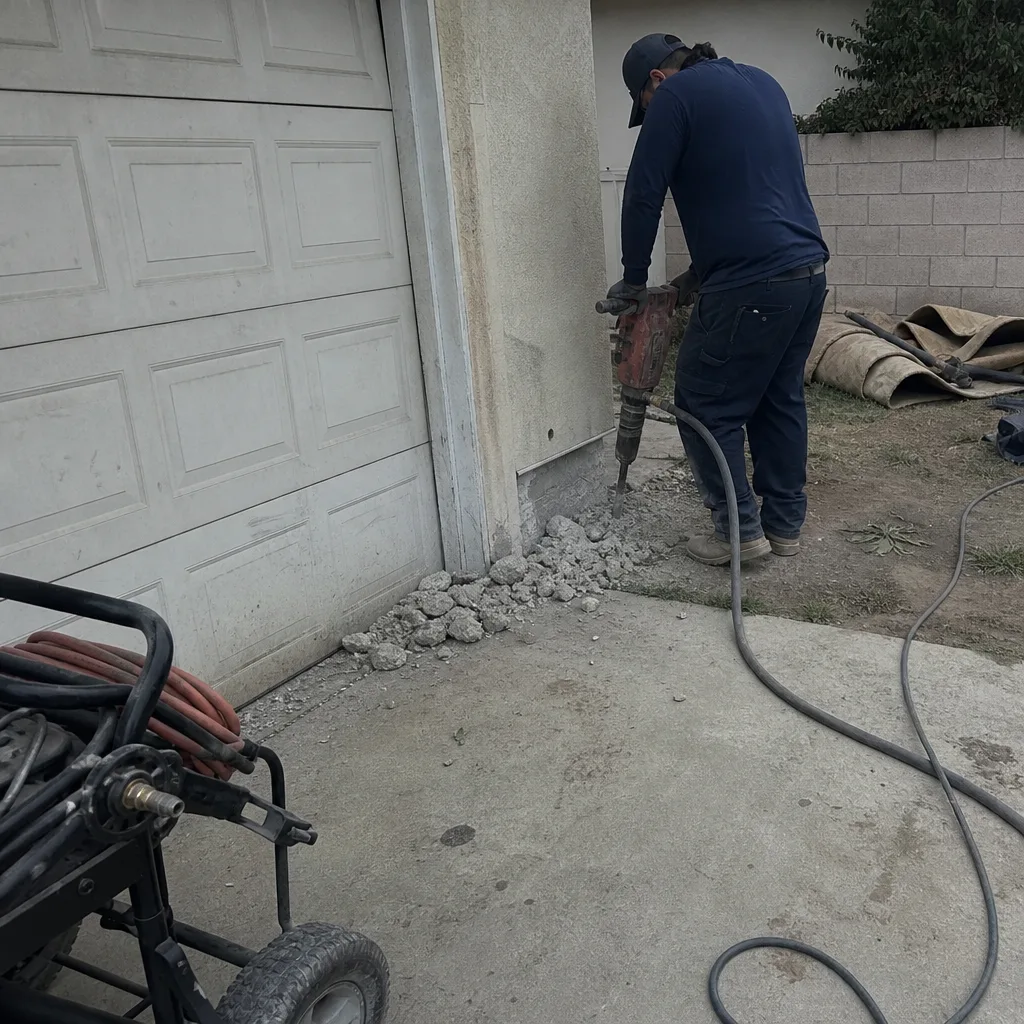 Before
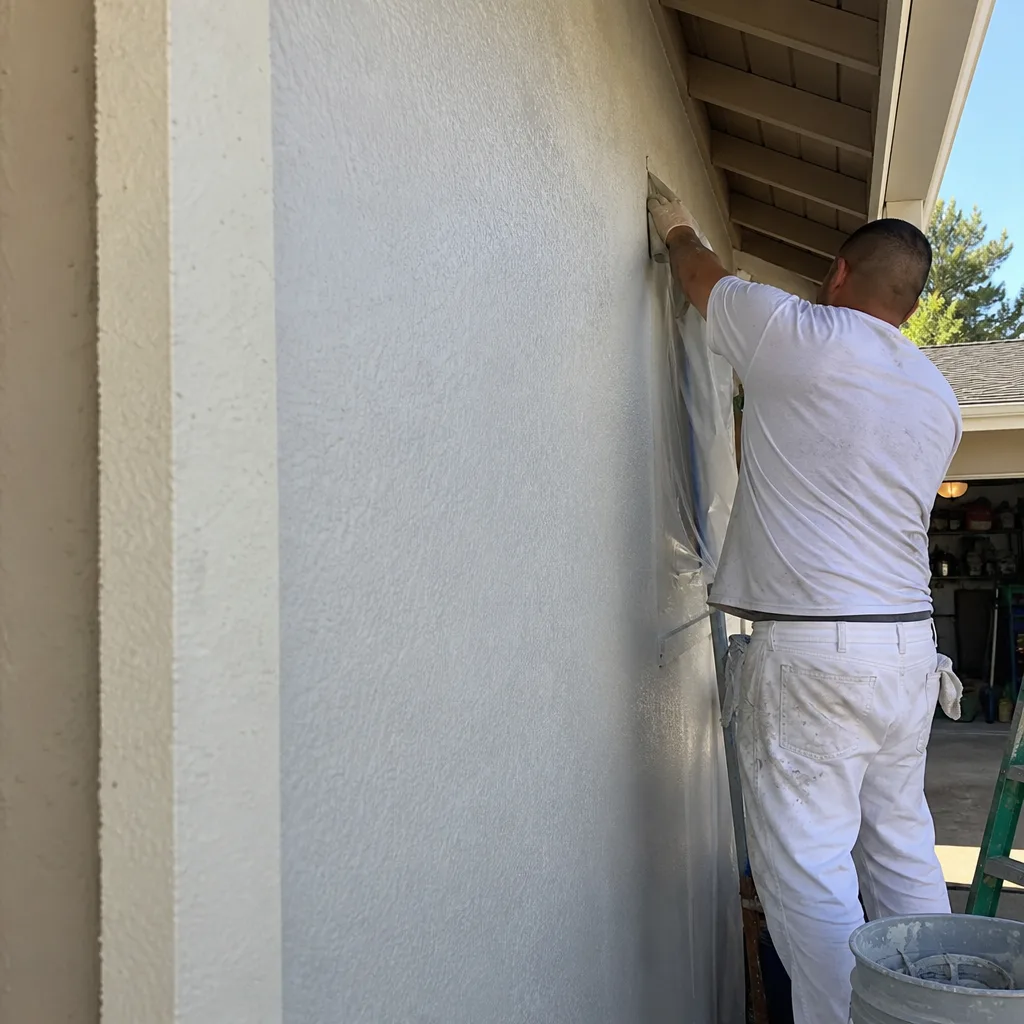 After
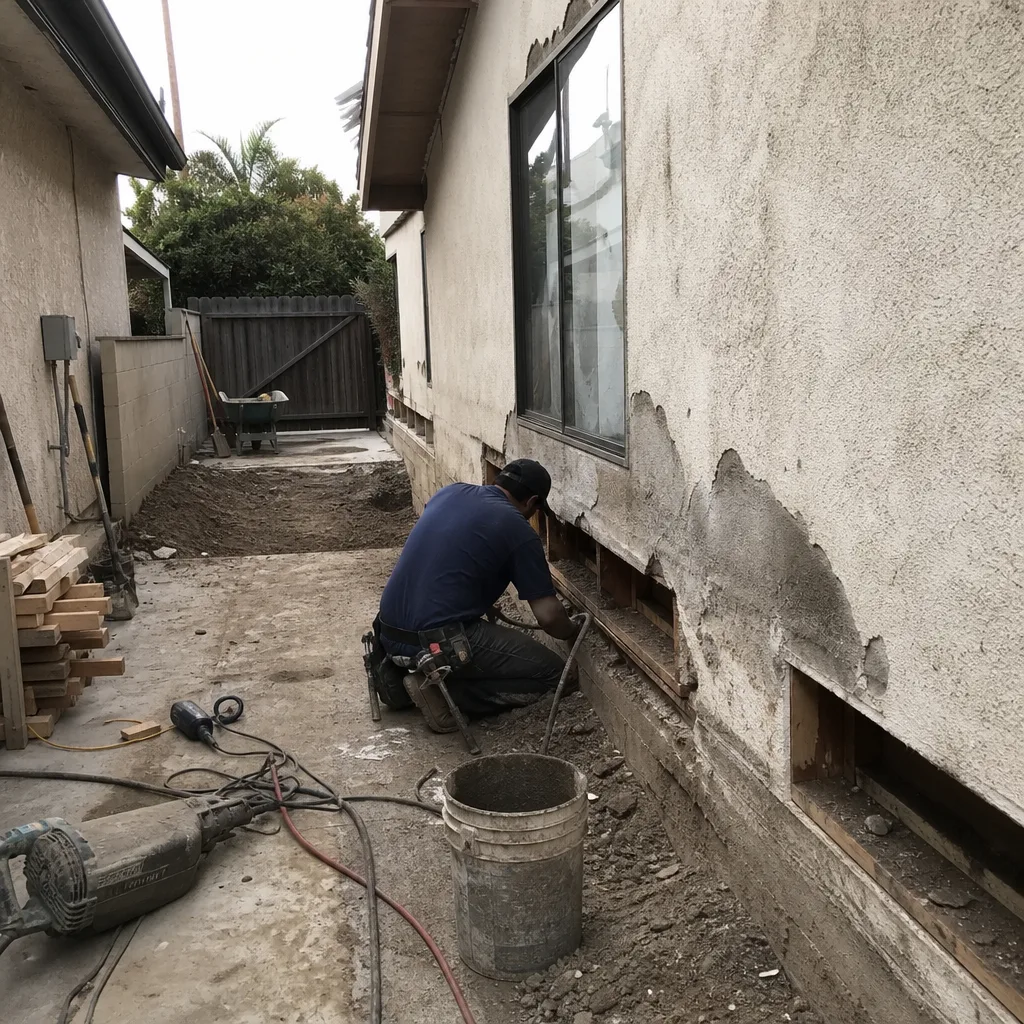 Before
 After
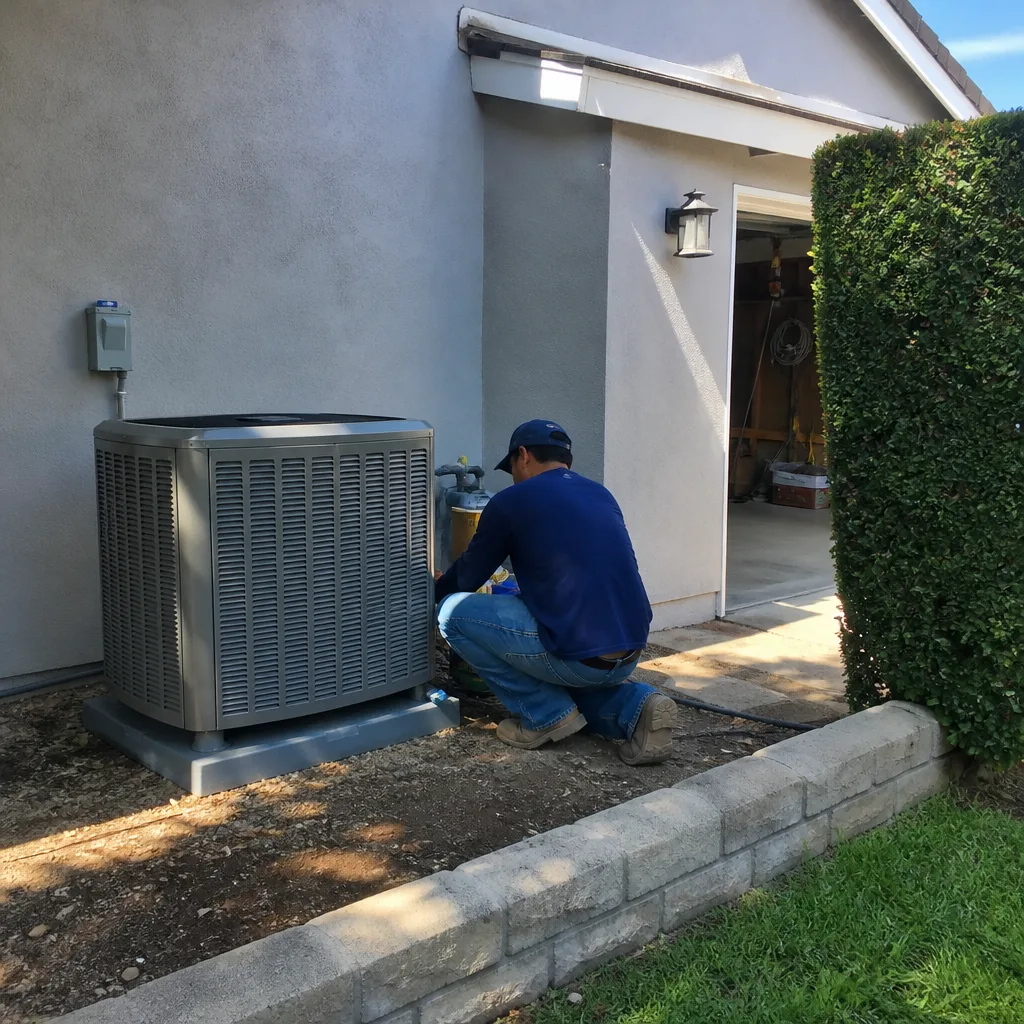
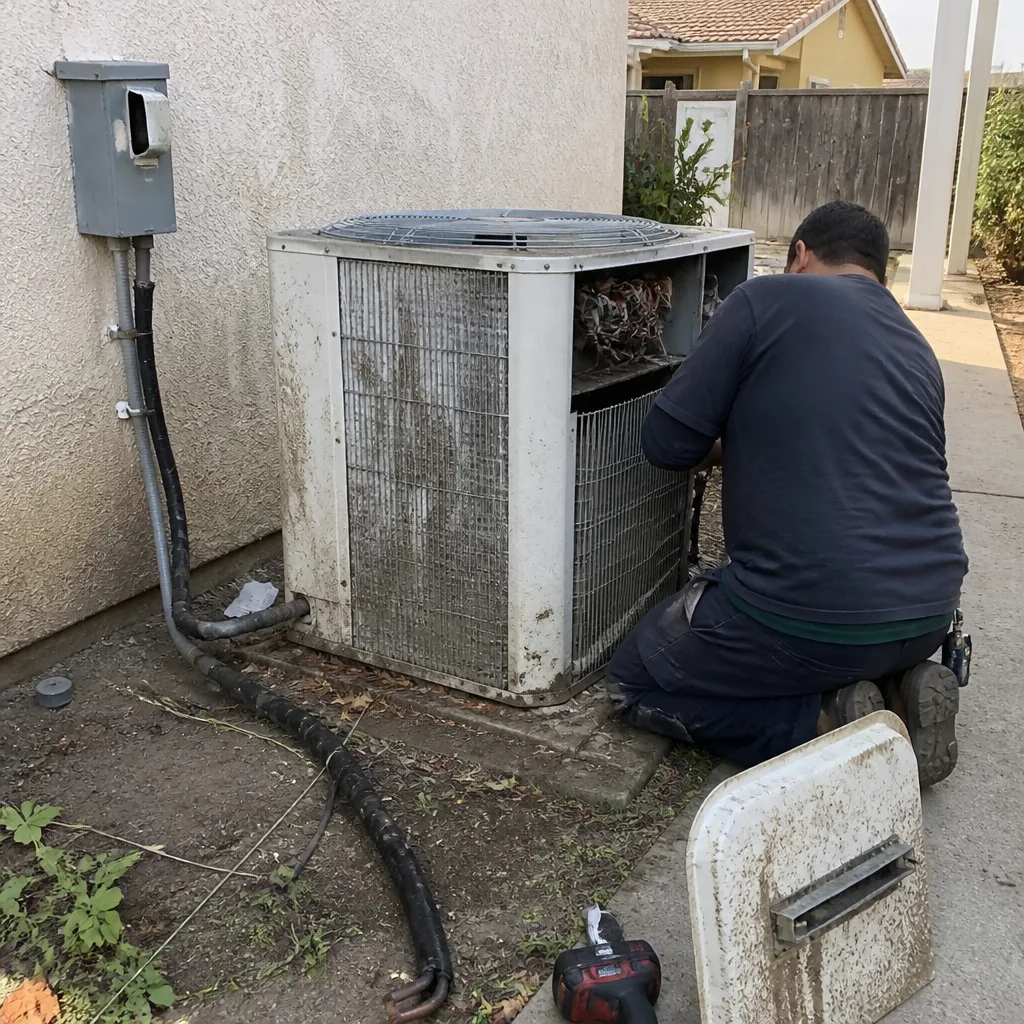 Before
 After
When to Call a Professional
Call a Fullerton general contractor before you start any project that touches structural elements, electrical systems, plumbing, or the building envelope. That includes kitchen and bath remodels in pre-1980 homes, any ADU or addition, roof replacements, window and door replacement involving framing changes, and any project that requires a city permit. The moment your project involves multiple trades, coordination becomes the job, and that’s what a general contractor is for. If you’re in Fullerton and want a straight evaluation of what your project will cost and what the permit path looks like, Elmwood Contractors offers free estimates. Call (866) 253-8554 to schedule yours.
Frequently Asked Questions
General contractors in Fullerton typically charge a project management fee of 15-25% on top of construction costs, with most Fullerton remodels landing between $38,000 and $220,000 depending on scope. Fixed-price bids with contingencies for old-home discoveries are the standard you should expect. Call (866) 253-8554 for an exact quote on your Fullerton project; estimates are free.
A standard interior remodel permit in Fullerton takes four to eight weeks from submittal to issuance, while additions and ADUs take eight to twelve weeks or longer. Projects that trigger Orange County Fire Authority review can add two to six weeks unless the application is filed in parallel, which a seasoned Fullerton contractor does as standard practice.
Yes, any Fullerton kitchen remodel that changes electrical, plumbing, or structural elements requires a city building permit, and some gas line or egress changes also trigger fire authority review. Skipping the permit creates problems when you sell the home and can invalidate your homeowner’s insurance on claims related to unpermitted work.
If your Fullerton home was built before 1978, schedule a pre-demolition asbestos survey before any remodel work begins. The survey identifies which materials contain asbestos, and California requires certified abatement before those materials are disturbed. A Fullerton general contractor includes this in the project plan from day one. Call (866) 253-8554 to discuss your project and get the testing planned correctly.
Yes, a single-source general contractor coordinates interior remodeling, exterior envelope work, and even prefab ADU construction under one contract. That matters in Fullerton because older homes often need coordinated work across multiple systems, and gaps between separate contractors are where costly mistakes like improper flashing or mismatched sequencing happen.
A general contractor manages the entire project across multiple trades and serves as your single point of contact, while a specialty subcontractor handles one trade, such as roofing, plumbing, or electrical. For Fullerton projects that touch multiple systems, the general contractor model gives you one accountable entity and one warranty conversation instead of a patchwork of separate companies.
The Bottom Line
Hiring a general contractor in Fullerton is a different decision than hiring one in Anaheim, Placentia, or anywhere else in Orange County. Fullerton’s building department runs its own review process, the Orange County Fire Authority gets involved on a long list of project types, and the city’s 1950s-1970s housing stock makes asbestos and electrical remediation a near-certainty on any substantial remodel. The right contractor for a Fullerton project knows all of this before the first walkthrough, names the brands going into your home before the contract is signed, and handles the full arc of the job under one plan. One contractor, every trade, interior to exterior. If you’re planning a Fullerton project, call (866) 253-8554 for a free estimate, or browse our more guides & resources. We’ll walk your property, assess what your specific home needs, and give you a written, line-item quote with the permit path mapped out before you commit to anything.
Written by the team at Elmwood Contractors, serving Fullerton since 2011.