
Last updated October 30, 2026
 Home additions & ADU
 Kitchen remodeling
 Bathroom remodeling
 Roofing
 Windows & doors
 Driveway & pavers
 Fence
Free written scope consultation - allowances, timeline, and change-order rules on paper before a single trade is scheduled
Seasonal Construction Care for Fullerton: Year-Round Homeowner’s Guide
Most Fullerton homeowners schedule exterior painting in summer because the weather is clear, but sustained temperatures above 90°F cause latex paint to skin over before it bonds properly. That’s why paint failures in Fullerton cluster on south- and west-facing walls. This guide maps the four real stress cycles that shape home maintenance here: Santa Ana season, wet El Niño winters, peak UV summer, and the narrow spring window for exterior work. You’ll learn what to inspect, when to inspect it, and what happens if you get the timing wrong.
Styles & brands we work with
Quick Answer
Fullerton doesn’t have four seasons in the traditional sense, but it does have four distinct stress cycles that dictate when maintenance prevents damage versus when it’s already too late. Santa Ana winds demand preparation in August and September, late winter is the only correct window for exterior caulking and sealant work, summer heat stresses roofing and deck surfaces in specific ways, and April through May is the optimal spring window for construction projects in Fullerton that need moderate temperatures and calm air.
Table of Contents
- The Santa Ana Preparation Window: August to September
- El Niño vs. La Niña: Planning Drainage and Waterproofing in Fullerton
- Why Late Winter Is the Correct Window for Caulking and Sealants
- Summer Heat Effects on Roofing, HVAC, and Decks
- The Spring Construction Window: What to Start in April and May
- Month-by-Month Home Maintenance Calendar for Fullerton
- Common Mistakes to Avoid
- When to Call a Professional
- Frequently Asked Questions
- The Bottom Line
The Santa Ana Preparation Window: August to September
Santa Ana winds in Fullerton typically begin in late September and peak between October and December. Wind gusts regularly reach 40 to 60 mph in the northern Orange County foothills, with canyon-adjacent neighborhoods like Raymond Hills and the areas near Coyote Hills getting hit hardest. The preparation window is August through mid-September. Wait until October and you’re already behind.
What gets damaged during Santa Ana events is predictable: loose shingles lift and tear, unsealed fascia boards pull away, fence posts wiggle loose in dry soil, and any existing roof defect becomes a water entry point when wind-driven rain follows. We’ve seen more roof damage from the first Santa Ana of the season than from the entire previous winter in several Fullerton homes.
Here’s the inspection sequence to work through before fire-season winds arrive:
- Walk the roof perimeter visually from the ground. Look for lifted shingle edges, missing granules collecting in gutters, and any flashing that appears bent or displaced. You’re looking for the start of a problem, not the full failure.
- Check all roof penetrations. Vent pipes, skylights, and chimney flashing are the most common failure points when wind gusts hit 50 mph. Loose flashing gets peeled back like a can lid.
- Inspect fascia and eave boards. Dry rot from prior moisture exposure weakens these boards. Santa Ana winds finish the job. Tap suspicious areas with a screwdriver handle; soft spots mean replacement is due.
- Secure or store loose yard items. Patio furniture, umbrellas, and lightweight planters become projectiles. A 30-pound patio chair moving at 50 mph will damage stucco or break a window.
- Check fence posts and gate hardware. Dry soil shrinks around posts during fall, making them looser. Wind load on a 6-foot fence panel can lever a weakened post right out of the ground.
- Clear gutters and downspouts after leaf drop. Fullerton’s mature tree canopy drops leaves from October through December. Clogged gutters plus Santa Ana driven debris means overflow water running down stucco walls and pooling at the foundation.
Roofing systems matter here. We recommend asphalt shingles with high wind ratings, and manufacturers like Owens Corning and IKO both produce lines tested to 110 mph or higher when properly installed with the correct nailing pattern. The nail pattern matters as much as the shingle itself. A correctly rated shingle nailed incorrectly will still blow off.
El Niño vs. La Niña: Planning Drainage and Waterproofing in Fullerton
Fullerton’s winter rainfall swings dramatically depending on Pacific Ocean temperature patterns. El Niño years bring sustained wet conditions, with atmospheric rivers capable of dropping several inches of rain in 24 hours. La Niña years trend drier but often bring short, intense storm bursts that overwhelm drainage systems because the ground hasn’t been receiving steady moisture.
The planning implication is straightforward. In El Niño years, your drainage system needs to handle sustained saturation. In La Niña years, it needs to handle sudden high-volume runoff over hard, dry ground. Both scenarios stress different parts of your home’s water management system.
For El Niño planning, focus on:
- French drains and surface grading. Saturated soil stops absorbing water. Every inch of rain after saturation becomes surface runoff. Make sure soil slopes away from the foundation at least 6 inches over the first 10 feet.
- Downspout extensions. Discharge needs to land at least 4 to 5 feet from the foundation. In sustained rain, a downspout that dumps at the foundation corner will saturate the soil and find its way into any crack or joint.
- Window well and door threshold seals. Check exterior door sweeps and thresholds before the rainy season. A worn threshold on a door facing the prevailing storm direction will leak during an atmospheric river.
- Roof inspection focus on valleys and low-slope sections. In Fullerton’s older neighborhoods, many homes have roof valleys that channel concentrated water flow. These are the first places to fail during sustained rain.
For La Niña planning, the focus shifts to burst capacity:
- Clean gutters before the first storm. Dry-season debris accumulates and then gets mobilized all at once. A gutter that handled moderate rain fine in an El Niño year will overflow in a La Niña downpour because of accumulated dust and leaf litter.
- Check drainage grate capacity. Area drains in patios and driveways clog with dry-season debris. A sudden 2-inch-per-hour storm overwhelms a partially blocked drain in minutes.
- Inspect stucco for hairline cracks. Dry conditions shrink soil and shift foundations slightly. Small stucco cracks that appeared during the dry season become water entry points during the first heavy storm.
When we work on home remodeling in Fullerton projects that touch the exterior envelope, we always factor in the current ENSO forecast. A homeowner planning exterior work in September should know whether they’re facing an El Niño or La Niña winter, because it changes which materials and drainage details make sense.
Why Late Winter Is the Correct Window for Caulking and Sealants
Exterior caulking in Fullerton fails fastest when it’s applied during summer heat. Silicone and polyurethane sealants need moderate temperatures and stable humidity to cure properly. Apply caulk when temperatures exceed 85°F and the surface is hot to the touch, and the sealant skins over before it bonds to the substrate. You get a seal that looks fine for six months and then peels away cleanly.
The window that works in Fullerton’s climate is February through March. Air temperatures in Fullerton during this period typically range from the mid-50s to low-70s, humidity is moderate, and surfaces aren’t baking in direct sun. This is when we schedule exterior sealant work on our general contractor projects in Fullerton, because the sealant actually performs as rated.
Areas that need caulking inspection every year in Fullerton:
- Window perimeters. The joint where the window frame meets stucco or siding expands and contracts with temperature swings. Fullerton’s diurnal range, often 30°F or more in spring and fall, works these joints hard.
- Door frames. Exterior door frames see constant expansion and contraction plus mechanical stress from daily use. Check the top corners especially, where water running down the wall gets directed into any gap.
- Utility penetrations. Hose bibs, electrical conduit, cable lines, and HVAC line sets all pass through exterior walls. Every penetration is a potential water entry point if the sealant has cracked.
- Horizontal trim joints. Any place where two pieces of trim meet at a horizontal seam collects water. These joints fail faster than vertical seams because water sits on them.
- Stucco control joints. Stucco walls are designed with expansion joints that get filled with a flexible sealant. When that sealant fails, water enters the wall cavity invisibly and causes damage you won’t see until it’s extensive.
We recommend inspecting caulk joints every February, then replacing anything that shows cracking, peeling, or separation from the substrate. The sealant itself is inexpensive. The water damage it prevents is not.
Summer Heat Effects on Roofing, HVAC, and Decks
Fullerton summer temperatures regularly climb into the 90s, with inland areas near the 57 freeway corridor running 5 to 8 degrees hotter than coastal-adjacent neighborhoods. Attic temperatures in unventilated or under-ventilated homes can hit 140°F. That heat load does specific, predictable damage to the systems that protect your home.
Roofing takes the brunt of it. Asphalt shingles in Fullerton’s summer heat become soft and pliable. Foot traffic on a hot roof can permanently dent or displace granules, shortening the roof’s life. UV radiation degrades the asphalt binder in shingles, which is why south- and west-facing roof slopes in Fullerton show granule loss and cracking years before north-facing slopes on the same roof. When we specify roofing materials for home renovation in Fullerton projects, we look at the roof’s orientation. A south-facing roof in Fullerton benefits from shingles with higher UV resistance ratings, and manufacturers like Atlas and Tamko both produce lines specifically formulated for high-UV climates.
HVAC systems work hardest during Fullerton’s July through September stretch. The specific failure modes we see:
- Capacitor failures. Heat makes capacitors degrade faster. A capacitor that’s marginal will fail on the hottest day of the year, which is exactly when you need the system working.
- Condenser coil clogging. Dry-season dust plus cottonwood and other airborne debris coat condenser coils. A dirty coil reduces heat exchange efficiency and drives up energy costs while shortening compressor life.
- Duct leakage in hot attics. Ducts running through a 140°F attic leak conditioned air through every seam and joint. Sealing and insulating ducts in the attic is one of the highest-ROI improvements for Fullerton homes.
Deck surfaces get punished too. Wood decks in Fullerton’s unshaded backyards hit surface temperatures of 150°F or more. Composite decking materials from brands we work with, like Trex and TimberTech, resist heat better than wood but still expand noticeably. Proper gapping during installation matters. A deck built with tight gaps in winter will buckle in summer. A deck built in summer with proper gaps will show wider gaps in winter, which is correct and expected.
The summer maintenance moves that prevent real damage:
- Schedule an HVAC service in May, before peak heat. The technician can catch a marginal capacitor or dirty coil before it becomes a July emergency. This is preventive maintenance, not repair work, and it’s cheaper than emergency service.
- Walk your roof visually each June and August. Look for curling shingle edges, exposed nail heads, and granule accumulation in gutters. Early granule loss signals UV damage that will accelerate.
- Check deck fasteners and gaps in July. Screws backing out and boards expanding against each other are normal in heat. Fix loose fasteners and monitor gap widths so expansion doesn’t cause buckling.
- Inspect attic ventilation in August. Ridge vents, soffit vents, and gable vents need to be clear. A power attic ventilator that isn’t running is a sign of a problem. Proper ventilation keeps attic temperatures down and extends shingle life.
The Spring Construction Window: What to Start in April and May
Fullerton’s spring window, roughly April through mid-May, is the only stretch of the year with moderate temperatures, low wind, and minimal rain. This is when exterior construction projects should be scheduled. Start an exterior project in June and you’re dealing with material handling problems, worker heat safety concerns, and curing issues. Start in October and you’re racing Santa Ana winds and winter rain.
Projects that specifically benefit from the spring window in Fullerton:
- Exterior painting. Paint needs surface temperatures between 50°F and 85°F for proper adhesion. April and May in Fullerton provide this range reliably. Summer painting on south- and west-facing walls is asking for premature failure.
- Roof replacement. Shingles seal properly in moderate temperatures. Summer heat makes shingles too soft to walk on safely during installation, and fall wind makes material handling dangerous. Spring is the sweet spot.
- Stucco repair and patching. Stucco cures through a chemical reaction that requires moisture. Summer heat dries stucco too fast, causing cracking. Spring temperatures and moderate humidity produce a proper cure.
- Fence installation. Post holes dig easier in spring soil that still has residual winter moisture. Concrete for post footings cures properly at moderate temperatures. Summer heat accelerates concrete curing and can reduce final strength.
- Window replacement. Flashing and sealants used around windows perform best when installed in the 60°F to 75°F range. Spring temperatures in Fullerton land in this range consistently.
- Hardscaping and paver installation. Base compaction and paver setting benefit from soil that isn’t rock-hard from summer drought. Spring soil in Fullerton is still workable.
One more consideration: contractor availability. Every Fullerton homeowner who waits until summer to start exterior work is competing for the same limited pool of qualified contractors. Scheduling in March for an April or May start gives you better access to experienced crews and better pricing leverage. This is also true for choosing the right construction brand for prefab and ADU projects. If you’re exploring an ADU through one of our prefab partners, the design and permitting timeline means you should start planning in winter to hit a spring site-work window.
As a Elmwood Contractors home project, our approach is to sequence work so that weather-dependent exterior tasks land in the spring window and weather-independent interior work fills the rest of the year. That’s how you avoid the quality compromises that come from rushing exterior work in bad conditions.
Month-by-Month Home Maintenance Calendar for Fullerton
Here’s the entire year mapped out in a sequence that respects Fullerton’s actual climate patterns. Print this and stick it inside a cabinet door.
January
- Inspect roof and gutters after winter storms have passed through
- Check for water stains on ceilings and walls after heavy rain
- Test sump pump if your Fullerton home has one
- Inspect attic for moisture or condensation issues
February
- Schedule exterior caulking and sealant inspection (the correct window)
- Check weatherstripping on all exterior doors
- Inspect and clean dryer vent
- Review drainage performance from recent storms
March
- Plan spring construction projects and get on contractor schedules
- Inspect deck for winter moisture damage and loose fasteners
- Clean gutters a final time before the dry season
- Check fence posts for winter storm loosening
April
- Start exterior painting projects
- Begin roof replacement if scheduled
- Service irrigation system before summer demand
- Inspect window screens and replace damaged ones
May
- Schedule HVAC preventive maintenance
- Finish exterior construction projects before summer heat
- Check and clean all exterior vents
- Inspect attic ventilation for summer readiness
June
- Visual roof inspection after first heat spike
- Check for paint blistering on south- and west-facing walls
- Monitor deck surface temperature on hot days
- Adjust irrigation schedule for summer
July
- Inspect deck fasteners and board gaps for heat expansion
- Trim trees and vegetation away from roof and walls
- Check exterior door alignment (heat causes expansion)
- Monitor energy bills for HVAC efficiency drops
August
- Begin Santa Ana preparation inspections
- Schedule roof inspection if any shingle issues were spotted
- Check fence posts for dry-soil loosening
- Secure or plan storage for loose yard items
September
- Complete all Santa Ana preparations before winds arrive
- Check and clean gutters as leaf drop begins
- Inspect roof flashing and penetrations thoroughly
- Test all exterior lighting
October
- Monitor first Santa Ana events and check for damage after each
- Clean gutters as tree canopy drops leaves
- Inspect downspout connections and extensions
- Check exterior caulk joints for heat-season damage
November
- Prepare drainage for winter rain season
- Check roof valleys and low-slope sections for debris
- Inspect window and door seals before rain arrives
- Clear area drains and channel drains
December
- Post-storm inspections after each significant rain event
- Check for water entry at doors and windows
- Inspect attic for leaks during heavy rain
- Plan January projects and contractor consultations
Common Mistakes to Avoid
- Painting exteriors in summer because “the weather is clear.” Clear weather above 90°F causes paint to skin over before bonding. South- and west-facing walls in Fullerton show the damage within a year.
- Ignoring Santa Ana preparation until October. The winds arrive before most homeowners start thinking about them. August and September are the preparation window, not October.
- Caulking exterior joints in summer. Hot surfaces and high temperatures prevent proper sealant bonding. The caulk looks fine for six months and then peels away.
- Assuming a dry winter means no drainage problems. La Niña years bring sudden, intense storms over hard, dry ground. Drainage that handles steady rain can fail completely in a La Niña downpour.
- Skipping the March contractor scheduling for spring work. By May, the best Fullerton contractors are booked. Planning in March means your April-May exterior work actually happens on schedule.
- Walking on a hot asphalt shingle roof to “check things.” Shingles soften in summer heat. Foot traffic damages them permanently. Visual inspection from the ground or a ladder is the right approach in summer.
- Treating all roof slopes as equal. South- and west-facing slopes in Fullerton degrade years faster than north- and east-facing slopes. Maintenance and inspection priority should follow sun exposure.
When to Call a Professional
Some maintenance tasks are genuinely DIY-friendly: cleaning gutters from a secure ladder, checking caulk joints visually, testing drainage by observing runoff during rain. But when you spot actual damage, the calculation changes. Loose flashing on a two-story roof, stucco cracks that extend into window openings, fence posts that have rotted below grade, or a roof that’s showing granule loss across multiple slopes, these are the moments to bring in someone who does this work every day. Water damage and wind damage compound fast in Fullerton’s climate, as covered in our more guides & resources. A small flashing issue becomes a structural problem after one strong Santa Ana. A deteriorated window seal becomes wall-cavity rot after one wet El Niño winter. Elmwood Contractors offers free estimates in Fullerton. Call (866) 253-8554 to schedule an inspection before the next stress cycle hits.
Frequently Asked Questions
A roof inspection twice per year is appropriate for Fullerton’s climate: once in late summer before Santa Ana season and once in late winter after the rain season. Homes with mature tree cover or older roofs may benefit from a third inspection after significant wind events. The inspection itself is inexpensive compared to repairing wind or water damage that goes unnoticed.
April and May are the best months for exterior painting in Fullerton. Surface temperatures during these months stay within the 50°F to 85°F range that paint manufacturers specify for proper adhesion and curing. September and October can also work for shaded walls, but south- and west-facing walls should only be painted in spring or fall, never during summer heat. Call (866) 253-8554 for an exact quote on your project, estimates are free.
Preventive maintenance in Fullerton typically costs between $300 and $800 per year for inspections and minor repairs when done consistently. The comparison point isn’t other maintenance costs, it’s the cost of deferred maintenance. A roof replacement from neglected granule loss runs $12,000 to $25,000 in Fullerton’s current market. A stucco repair from a neglected water leak runs $2,000 to $8,000 depending on extent. Maintenance is the cheaper path every time.
Yes. El Niño winters require preparation for sustained saturation: verify foundation grading slopes away, ensure downspouts discharge at least 4 to 5 feet from the foundation, and check roof valleys that channel concentrated water. La Niña winters require preparation for sudden intense downpours over dry ground: clean all drainage grates, verify gutter capacity, and inspect stucco for dry-season cracks that become water entry points during the first heavy storm. Each pattern stresses different parts of the home’s water management system.
April through May is the ideal roof replacement window in Fullerton. Shingles seal properly in moderate spring temperatures, installers can work safely without heat-related risks, and the job is complete before summer heat and Santa Ana winds arrive. Fall roof replacements are possible but risk weather delays from early Santa Ana events. Summer roof replacements expose workers to dangerous heat and make shingles too soft for safe foot traffic. Call (866) 253-8554 for a free roof assessment and estimate.
South-facing walls in Fullerton receive maximum UV radiation and heat loading year-round. When paint is applied during summer months, surface temperatures exceed the manufacturer’s specified range, causing the paint to skin over before proper bonding occurs. Even correctly applied paint on south-facing walls degrades faster than on other exposures. The fix is better timing for repaints and, in some cases, selecting paint formulations rated for high-UV exposure.
Yes, and August is the right month to do it. A pre-Santa Ana inspection should cover the roof perimeter, all flashing and penetrations, fascia boards, fence posts, and any exterior items that could become windborne. The cost of the inspection is a fraction of the cost of repairing wind damage after the fact. Santa Ana winds in Fullerton regularly exceed 40 mph and have been recorded above 60 mph in canyon-adjacent neighborhoods.
The Bottom Line
Fullerton’s home maintenance calendar doesn’t follow the traditional four seasons. It follows four stress cycles: Santa Ana winds that demand August and September preparation, winter rain patterns that shift with El Niño and La Niña forecasts, summer heat that degrades roofing and deck surfaces, and a narrow spring window that’s the only correct time for certain exterior work. Getting the timing right is the difference between maintenance that prevents damage and repairs that respond to it. Inspect in February, build in April and May, prepare for wind in August and September, and plan drainage based on the winter forecast. Do that every year, and your Fullerton home handles what the climate throws at it.
Contact Elmwood Contractors at (866) 253-8554 to schedule a free estimate for any exterior maintenance, repair, or construction project. We name the brands going into your home before the contract is signed.
Written by the team at Elmwood Contractors, serving Fullerton since 2011.
See the difference
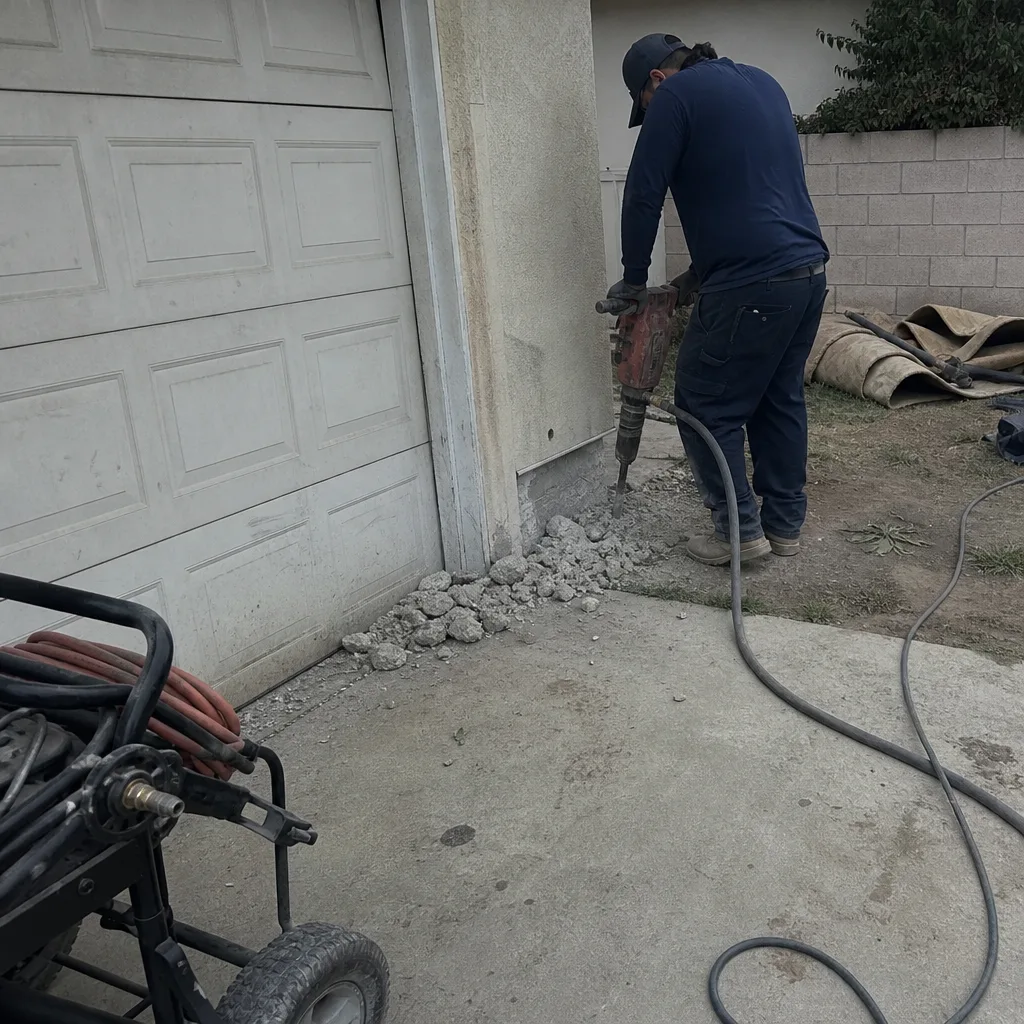 Before
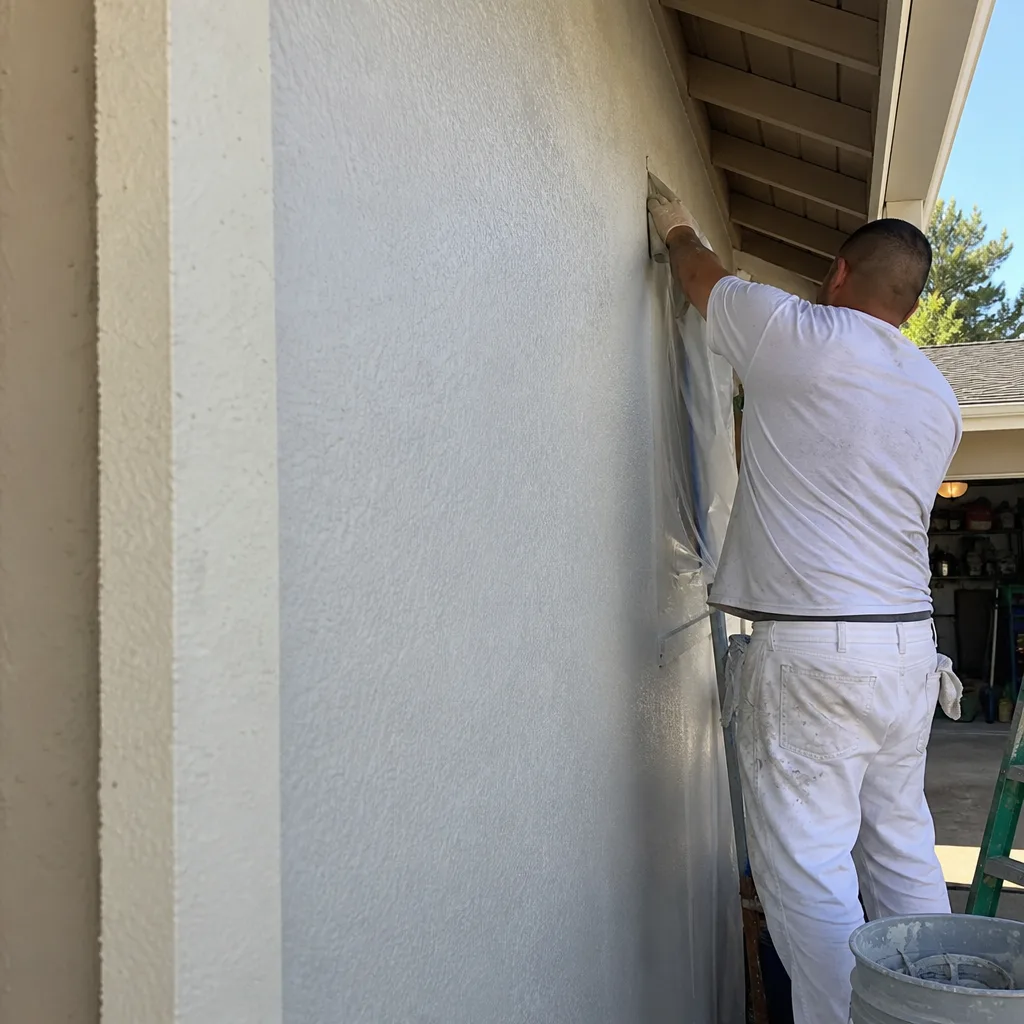 After
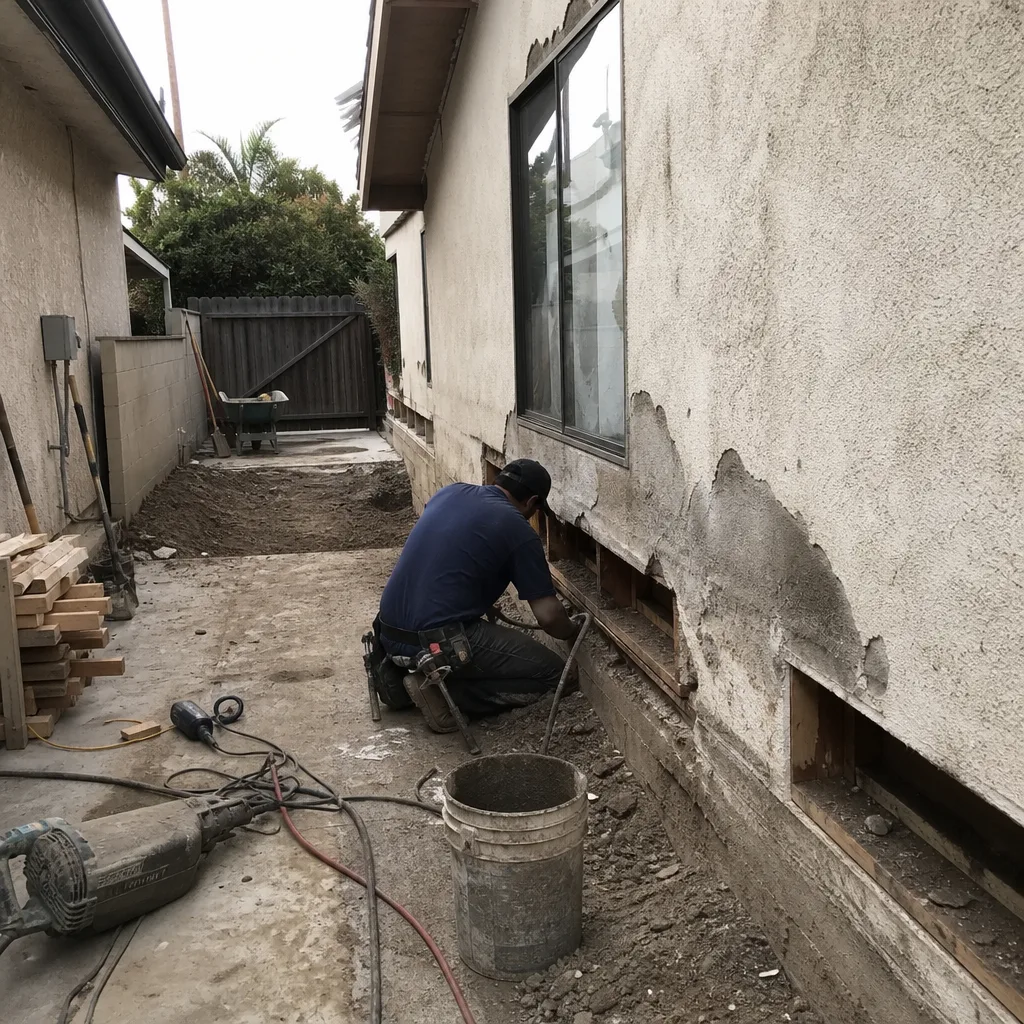 Before
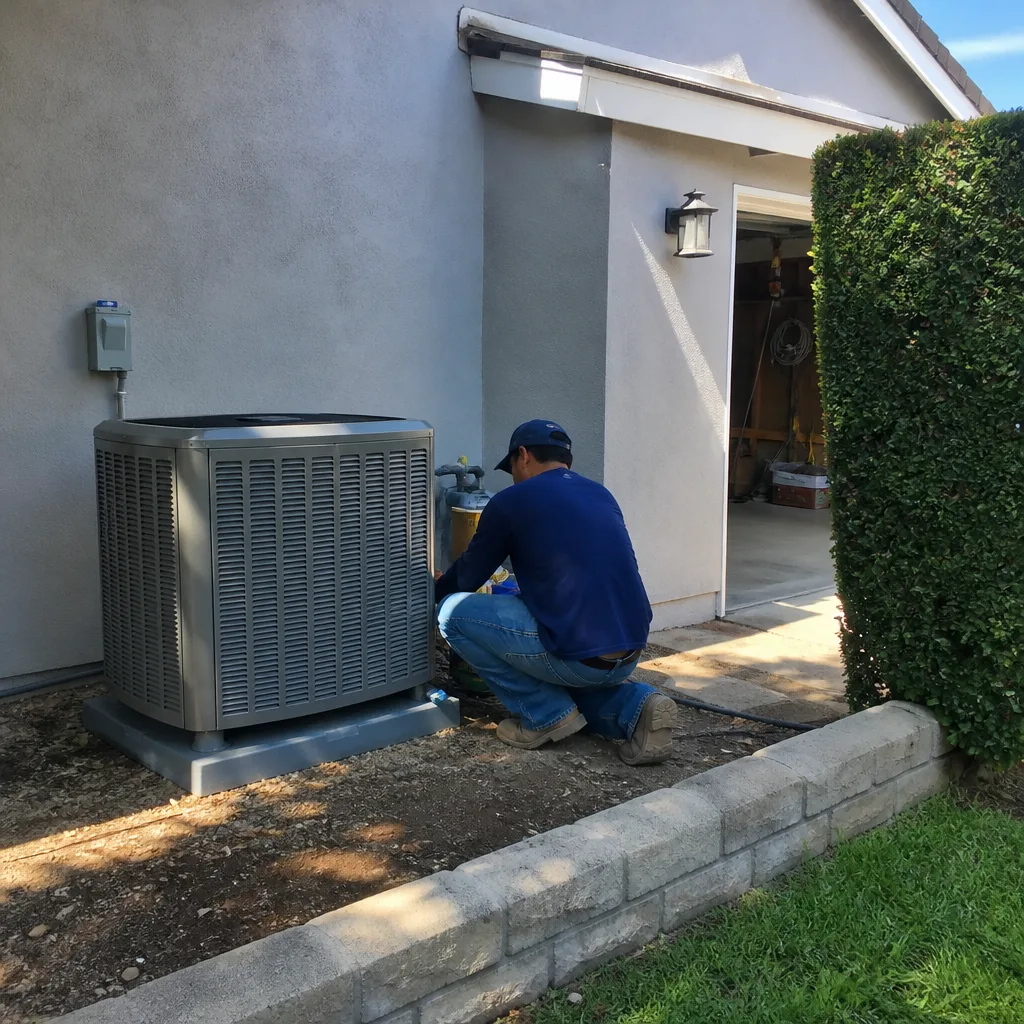 After
 Before
 After