
Last updated October 30, 2026
 Home additions & ADU
 Kitchen remodeling
 Bathroom remodeling
 Roofing
 Windows & doors
 Driveway & pavers
 Fence
Free written scope consultation - allowances, timeline, and change-order rules on paper before a single trade is scheduled
General Contractor Maintenance Checklist for Fullerton Homeowners
Most maintenance checklists you find online read like they were written for a house in Ohio. They tell you to check your sump pump and prep for freezing pipes. That advice is useless in Fullerton, where the real threats are Santa Ana winds that hit 50-plus miles per hour in October, hard water from the Municipal Water District of Orange County that registers between 300 and 400 ppm, and UV exposure that breaks down exterior sealants years faster than the manufacturer’s spec sheet predicts. This guide is built for your actual house, in your actual climate, with the actual soil and water conditions we deal with every week in Fullerton. You’ll learn what to inspect, when to inspect it, which tasks you can handle yourself, and which ones legally require a licensed contractor.
Quick Answer
A smart Fullerton home maintenance schedule runs on three parallel tracks: wind season prep in September and early October before the Santa Anas arrive, water damage prevention year-round because of MWDOC’s hard water, and UV degradation checks every spring when the inland Orange County sun has done its annual damage to sealants and paint. The items that matter most here are roof inspections before wind season, re-caulking exterior joints every 12 to 18 months instead of the typical 3-to-5 year northern timeline, and descaling or inspecting water-using fixtures on a six-month cycle. Downloading a generic checklist won’t help if it ignores wind-driven debris, calcium buildup, and sun-baked flashing.
Styles & brands we work with
Table of Contents
- Santa Ana Wind Season Prep: What to Inspect Before October
- Hard Water Damage: The Fullerton Timeline Most Homeowners Miss
- UV Degradation: Why Fullerton Sealants Fail Faster Than Spec Sheets Say
- The Seasonal Maintenance Calendar for Fullerton Homes
- What You Can DIY vs. What California Law Requires a Licensed Contractor to Handle
- Documenting Maintenance for Insurance Claims and Future Permits
- What Fullerton Homeowners Should Budget Annually for Maintenance
Santa Ana Wind Season Prep: What to Inspect Before October
Santa Ana winds in Fullerton typically start in September and peak between October and December. Wind gusts regularly exceed 40 miles per hour, and the strongest recorded gusts in Orange County have topped 90. That kind of sustained wind does specific, predictable damage, and most of it announces itself in ways you can catch early if you know what to look for.
- Roof inspection for lifting shingles and damaged flashing. Walk your roof or have a contractor do it. Look at the edges first. Wind gets under shingle tabs at the eave line and peels them back. Look for granule loss in gutters, which signals shingles are already shedding. On metal flashing around chimneys and vents, check for bent corners or separated sealant.
- Fence post and board check. Fullerton has thousands of wood fences, and a 50-mph gust turns a loose picket into a missile. Push on each post. If it wiggles more than a quarter inch at the top, the concrete footing is failing. Check horizontal rails for split ends or pulled nails. If you have vinyl fencing from a brand like ActiveYards or aluminum from Jerith, confirm the post caps are seated and panels move freely within the channel.
- Exterior cladding and window flashing. Look for gaps where siding meets window trim. Wind-driven rain in Fullerton isn’t common, but when it happens, it’s a horizontal spray that finds every unsealed seam. We’ve seen water intrusion during Santa Ana rain events where homeowners assumed the wind was dry. It isn’t always.
- Patio covers, trellises, and shade structures. Inspect bolts at connection points. Pergolas with tensioned fabric need the fabric removed before high-wind events. Hardscape structures from brands like Belgard or Unilock have specific manufacturer guidance for wind exposure, and loose paver caps on columns should be re-adhered.
If you’re a general contractor in Fullerton doing this walk-through every September, you catch most problems in 45 minutes. The roof check is the one that matters most. Wind damage is the leading cause of homeowners insurance claims in Southern California during fall months, and carriers increasingly look for evidence of pre-existing wear before paying out.
Hard Water Damage: The Fullerton Timeline Most Homeowners Miss
Fullerton’s water comes from the Municipal Water District of Orange County, and it registers between 300 and 400 parts per million of dissolved minerals. For context, the EPA classifies anything over 180 ppm as “very hard.” That means every tap, showerhead, appliance valve, and water heater element in your home is accumulating calcium and magnesium scale right now. The damage follows a predictable timeline, and each stage has a window when you can intervene cheaply or pay for a replacement.
- Months 1 to 3: Chalky white buildup visible on faucet aerators and showerheads. Water pressure drops slightly. Descaling with vinegar or a citric acid solution fixes this in most cases. Replace aerators every two years regardless.
- Months 6 to 12: Toilet fill valves and flappers begin to stick. The rubber seals develop mineral crust that prevents a tight seal, causing the toilet to run intermittently. You’ll hear it. This is a $15 fix if caught early and a water bill problem if ignored for months.
- Year 2: Dishwasher spray arms clog. The heating element gets a scale jacket that reduces efficiency and eventually causes failure. Water heaters in Fullerton homes routinely die at 7 to 9 years instead of the 10 to 12 years typical in soft-water regions. Flushing the tank annually buys you time.
- Years 3 to 5: Tile grout in showers begins to erode and discolor, especially at the shower floor. The mineral deposit is invisible at first, but it roughs up the grout surface and makes it porous. Once grout absorbs water into the wall cavity, the fix is a full re-grout or replacement, not caulking.
- Year 5 and beyond: Shutoff valves under sinks freeze in place. The mineral scale binds the valve stem. When you try to turn a fully seized valve, it snaps, and now you have a plumbing emergency. We recommend exercising every shutoff valve in the house twice per year, turning it off and on gently.
The hard water problem is also why fixture finish matters. Polished chrome holds up okay. Brushed nickel and brass show mineral etching sooner. If you’re replacing fixtures as part of a home remodeling project in Fullerton, we usually steer homeowners toward Kohler and Moen finishes rated for hard water exposure. Toto toilets handle mineral content better than cheaper brands because the fill valve components use silicone and chloramine-resistant rubber. These are the kind of material decisions that separate a fixture that lasts 5 years from one that lasts 15 under Fullerton’s exact water chemistry.
UV Degradation: Why Fullerton Sealants Fail Faster Than Spec Sheets Say
Manufacturer warranty cards and product spec sheets assume national average UV exposure. Fullerton gets roughly 280 sunny days a year with inland Orange County heat. That is not national average. Caulk and sealant that a manufacturer rates for 5 years of service life in a temperate climate will fail in 18 to 36 months on a Fullerton south or west facing wall. Painting and water-proofing cycles compress the same way.
Here’s the specific degradation schedule we work from in Fullerton:
- Exterior caulk around windows and doors: Inspect every 12 months. On southern and western exposures, plan for replacement every 18 to 24 months. In shaded northern exposures, you might get 36 months. The tell is cracking or pulling away at the edges, especially at the top horizontal bead where sun hits hardest.
- Decks and exterior wood coatings: A penetrating oil finish on a redwood or cedar deck lasts about one summer in Fullerton before the UV breaks down the surface oils. Full refinish every 12 months on horizontal surfaces. Clear sealers fail faster than tinted ones. A semi-transparent stain buys an extra year.
- Painted exteriors: South and west walls fade and chalk within 3 to 5 years in Fullerton. East and north walls go 7 to 10. If you wait until the whole house looks faded, you’re repainting some surfaces far too late and others too early. Touch up the sun-hit walls first.
- Roof flashing sealants: Exposed neoprene pipe boots and vent seals crack in Fullerton’s heat after about 5 years. This is a chronic leak source on older roofs. Roofing systems from GAF, CertainTeed, and Owens Corning rely on these little rubber boots, and when they crack, the roof membrane is no longer watertight at the penetration.
You can stretch the timeline somewhat by using 100% silicone or hybrid sealants instead of acrylic latex caulk. Silicone costs about double per tube and lasts twice as long, which makes it the cheaper material in a Fullerton sun-exposure context. This is the kind of climate-specific math that generic checklists never account for.
The Seasonal Maintenance Calendar for Fullerton Homes
Here’s a month-by-month plan that accounts for Fullerton’s actual weather and water conditions. This assumes a typical single-family home built between 1950 and 2010, which covers most of Fullerton’s housing stock.
September to October: Wind and Rain Prep
- Complete the Santa Ana wind checklist from above: roof, fences, cladding, patio covers.
- Clean gutters and downspouts. Fullerton’s mature trees drop leaves into gutters, and a clogged gutter during a Santa Ana rain event sends water over the edge and down the fascia, not away from the foundation.
- Inspect weatherstripping on exterior doors. Dry, hot summer air shrinks rubber seals. Cold fall air finds the gaps.
- Check all exterior caulking now, before the first rain. Caulk you find cracked in November will already have let water behind the siding.
November to February: Rain Season
- After each significant rain event, walk the exterior and check for water staining at the soffit line, around window heads, and at the base of exterior walls.
- Inspect basement and crawl space for moisture. Most Fullerton homes are slab-on-grade, but older homes in neighborhoods like Sunny Hills and the area around Fullerton College often have raised foundations. Check crawl space vents for spider webs and debris blocking airflow.
- Clean showerheads and faucet aerators. Six-month descaling cycle.
- Exercise every shutoff valve under sinks and toilets across the house. Turn gently off and on. If one feels stiff, replace it now, not when a sink is overflowing.
March to May: UV Damage Season
- Inspect all exterior caulking on south and west walls. This is the primary UV season checkpoint.
- Check deck surfaces and plan a refinish before summer heat accelerates fading.
- Have the roof inspected. Winter rains plus spring UV creates the conditions for slow leaks that show up as ceiling stains in late spring.
- Check irrigation lines and exterior hose bibs for freeze damage from winter and mineral blockages from hard water.
June to August: Heat Load Season
- Inspect and service the HVAC system before peak summer demand. Hard water from MWDOC doesn’t directly affect the AC, but dust and mineral scale on condensate lines causes clogs. Pour a cup of vinegar down the condensate drain line monthly.
- Check water heater. Drain a few gallons from the tank to flush sediment. Check the anode rod every 3 years; in Fullerton’s hard water, the rod is consumed faster than in soft-water areas.
- Inspect window screens and door seals. Summer heat warps screen frames, and the gaps let in pests.
- Review exterior paint condition on the south and west faces. If you’re in a home renovation planning phase, summer is the right time to schedule an August or September repaint before the weather turns.
What You Can DIY vs. What California Law Requires a Licensed Contractor to Handle
California has strict rules about who can perform construction work, and Fullerton enforces them through the city’s building and code enforcement division. The dividing line is roughly this: cosmetic and maintenance tasks on a single-family home you own and occupy are DIY territory. Structural, electrical, plumbing, and HVAC work at any meaningful scale requires a licensed contractor, and in some cases a permit; see our step-by-step guide to hiring a construction contractor in Fullerton.
Genuine DIY territory for a Fullerton homeowner:
- Replacing faucet aerators, showerheads, and toilet flappers
- Descaling fixtures and cleaning scale from tile surfaces with appropriate cleansers
- Re-caulking exterior window and door perimeters
- Cleaning gutters and touching up paint under 6 feet in height where no scaffolding or fall protection is required
- Weatherstripping and draft sealing
- Replacing air filters and smoke detector batteries
Work that requires a licensed California contractor:
- Any roof repair or replacement involving structural decking, underlayment, or flashing replacement
- Water heater replacement or any work on gas lines, including moving or replacing gas-fired appliances
- Electrical panel work, circuit addition, or replacing hardwired fixtures beyond a simple swap of like-for-like components
- Plumbing that goes behind walls, under slab, or involves sewer lines
- Window replacement that changes the opening size or requires flashing integration
- Any structural repair to framing, foundation, or load-bearing walls
- Fence replacement over 7 feet tall or any fence requiring a permit in Fullerton
If you’re working with a general contractor in Fullerton, the permitting and licensed-trade coordination gets handled as part of the project scope. Trying to pull permits yourself on a structural repair is legal in some cases but rarely a good idea. The city’s plan check process is unforgiving on details like shear wall placement and seismic strapping, and a contractor with local Fullerton permit history saves you the back-and-forth.
Documenting Maintenance for Insurance Claims and Future Permits
Most Fullerton homeowners keep no maintenance records, and it costs them money twice: first when an insurance claim gets reduced or denied because the carrier argues the damage came from deferred maintenance, and second when a future renovation requires a permit and the plan check reviewer can’t verify the work history of the house. The fix is simple and boring.
Create a maintenance log with these elements:
- Date and scope of work. “March 12, 2026: Re-caulked all exterior window perimeters on south and west elevations. Removed old acrylic caulk, primed, applied 100% silicone sealant.”
- Products used. Write down the brand and product name. Silicone versus acrylic matters. A specific brand of roofing sealant matters. If a future leak occurs, you want the warranty trail.
- Contractor name and license number. If a licensed contractor did the work, record who and the CSLB license number. Insurance carriers and plan check reviewers both accept this as verification.
- Photos. Before, during, and after. Store them in a cloud folder. Close-up shots of flashing before a repair, then after, with date stamps, are the single strongest evidence you can hand an adjuster.
- Receipts. Material invoices from the hardware store, confirmations from suppliers, anything with a date and dollar amount.
The full arc of maintaining and improving a Fullerton home often starts with a Elmwood Contractors home consultation where we map out the maintenance schedule and flag deferred items that will become bigger problems. Then the renovation scope gets planned around what the house actually needs, not a generic punch list. For example, if a homeowner knows they have original 1980s windows with failing seals, we document that during a maintenance walkthrough, and it becomes part of the plan when they’re ready for a larger remodel.
What Fullerton Homeowners Should Budget Annually for Maintenance
Most financial planners throw out a rule of thumb: budget 1% to 3% of home value per year for maintenance. On a Fullerton home that’s a $700,000 to $900,000 house, so $7,000 to $27,000 per year. That range is too wide to be useful. Here’s a tighter framework based on what we actually see in Fullerton neighborhoods like the area around Nicholas Junior High, the Golden Hills district, and the ranch homes west of Harbor Boulevard.
- Small home (under 1,500 square feet, 1970s to 1980s construction): $3,000 to $5,000 per year in an average year. This covers caulking, gutter cleaning, descaling, HVAC service, and minor plumbing. In a bad year, a failed water heater or minor roof repair pushes it to $7,000 to $9,000.
- Mid-size home (1,500 to 2,500 square feet, typical Fullerton ranch or two-story): $5,000 to $8,000 per year average. More exterior surface area, more windows, more fence line. A roof replacement every 20 to 25 years adds $800 to $1,200 per year amortized.
- Larger or older home (over 2,500 square feet, or pre-1960 construction): $8,000 to $12,000 per year. Older Fullerton homes have original plumbing and electrical that require incremental repair more often. Galvanized pipes from the 1950s and 1960s are a chronic issue in older Fullerton neighborhoods, and once they start to fail, the repair cadence accelerates until you replumb.
The biggest budget killers in Fullerton are roof replacement, water heater failure accelerated by hard water, and exterior paint on sun-exposed elevations. Plane for roof and paint on their real Fullerton timelines, not the national averages. A composition shingle roof in Fullerton with full sun exposure lasts about 18 to 22 years. In a shaded canyon lot it might go 25. If the previous owner installed it when Google Street View shows the same color, you can estimate where you are in that cycle.
Common Mistakes to Avoid
- Using a climate-generic checklist. A checklist written for Rochester or Atlanta schedules chimney repointing and sump pump service. It ignores Santa Ana wind prep, hard water descaling, and UV-driven caulk failure. You end up doing maintenance on things that don’t fail in Fullerton while ignoring the things that do.
- Caulking over failed caulk. New caulk applied over old, cracked sealant bonds to the old surface and fails within months. The old bead has to come out entirely, the joint cleaned, and fresh sealant applied to the substrate. Skipping this step is the single most common DIY error we see on Fullerton exterior projects.
- Ignoring the water heater anode rod. Fullerton’s hard water consumes anode rods at roughly twice the national rate. A $40 rod replacement every 3 years can extend a water heater’s life from 7 years to 12. Most homeowners don’t know the anode rod exists until the tank rusts through.
- Waiting until October to think about Santa Ana winds. The first wind event of the season is when fence contractors and roofing crews get slammed with emergency calls. Inspecting in September gives you a month to get repairs done before the wind, the demand surge, and the first rain all arrive at once.
- Not exercising shutoff valves. A valve that hasn’t been turned in 8 years will not turn when you need it to. By the time a pipe bursts or a fixture fails, the valve is the wrong thing to learn is stuck. Turn them gently twice a year.
- Assuming hard water damage is cosmetic. Mineral scale shortens the life of every water-using appliance, raises water heating costs, and erodes grout to the point of water intrusion. It is a structural issue in slow motion, not an aesthetic one.
See the difference
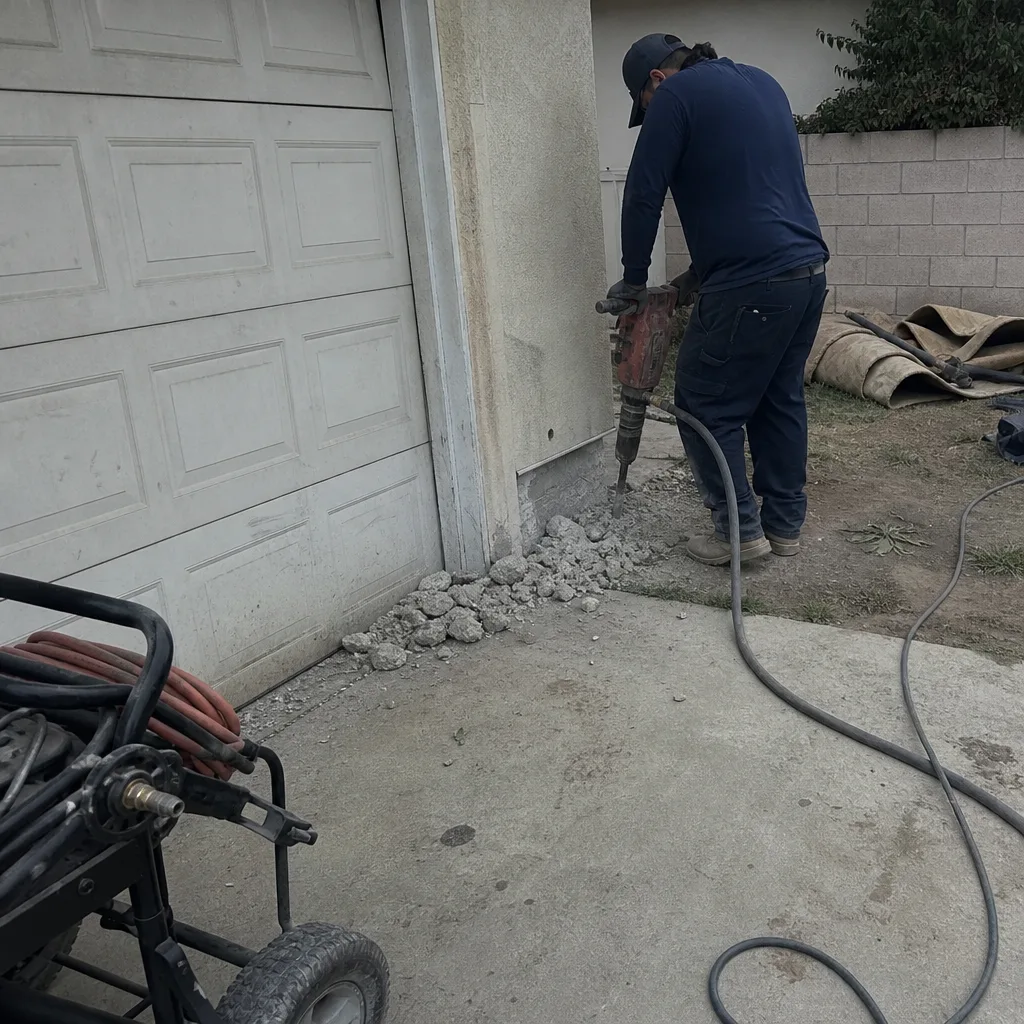 Before
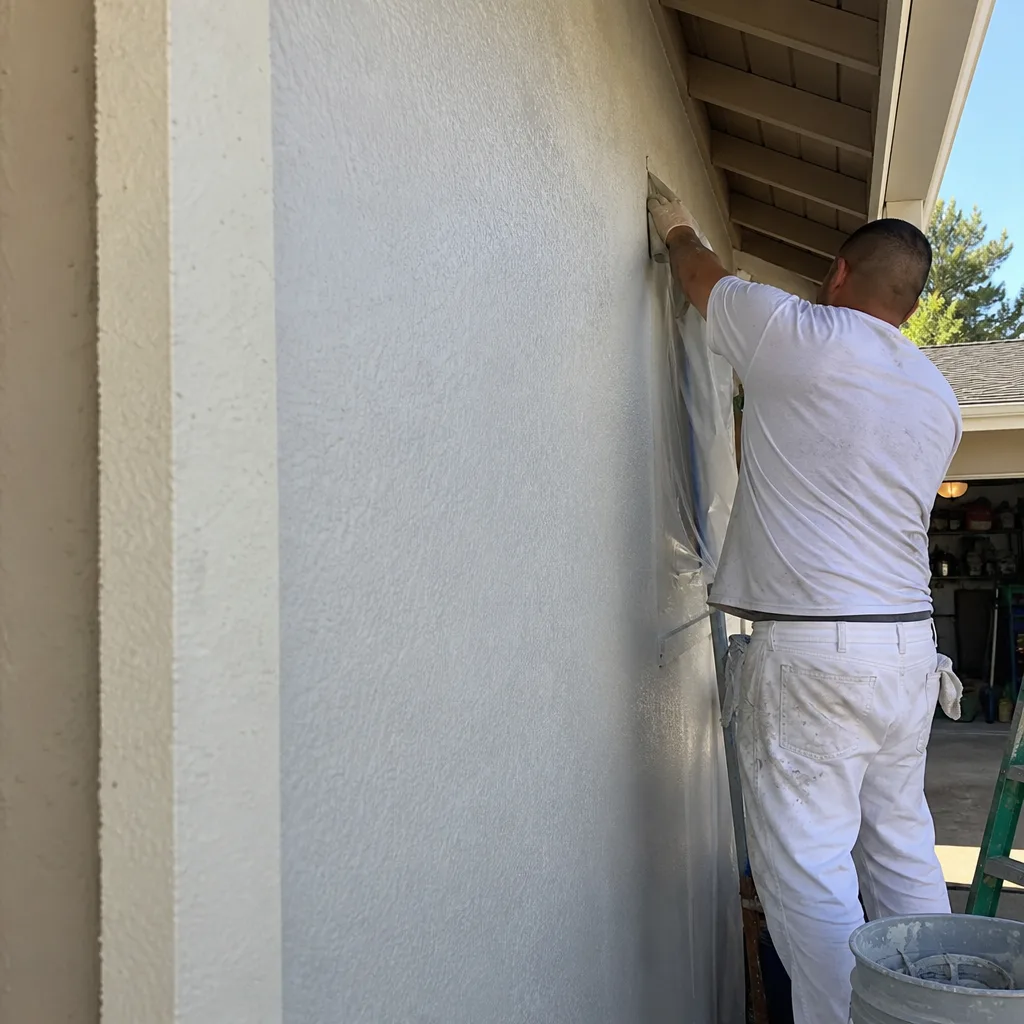 After
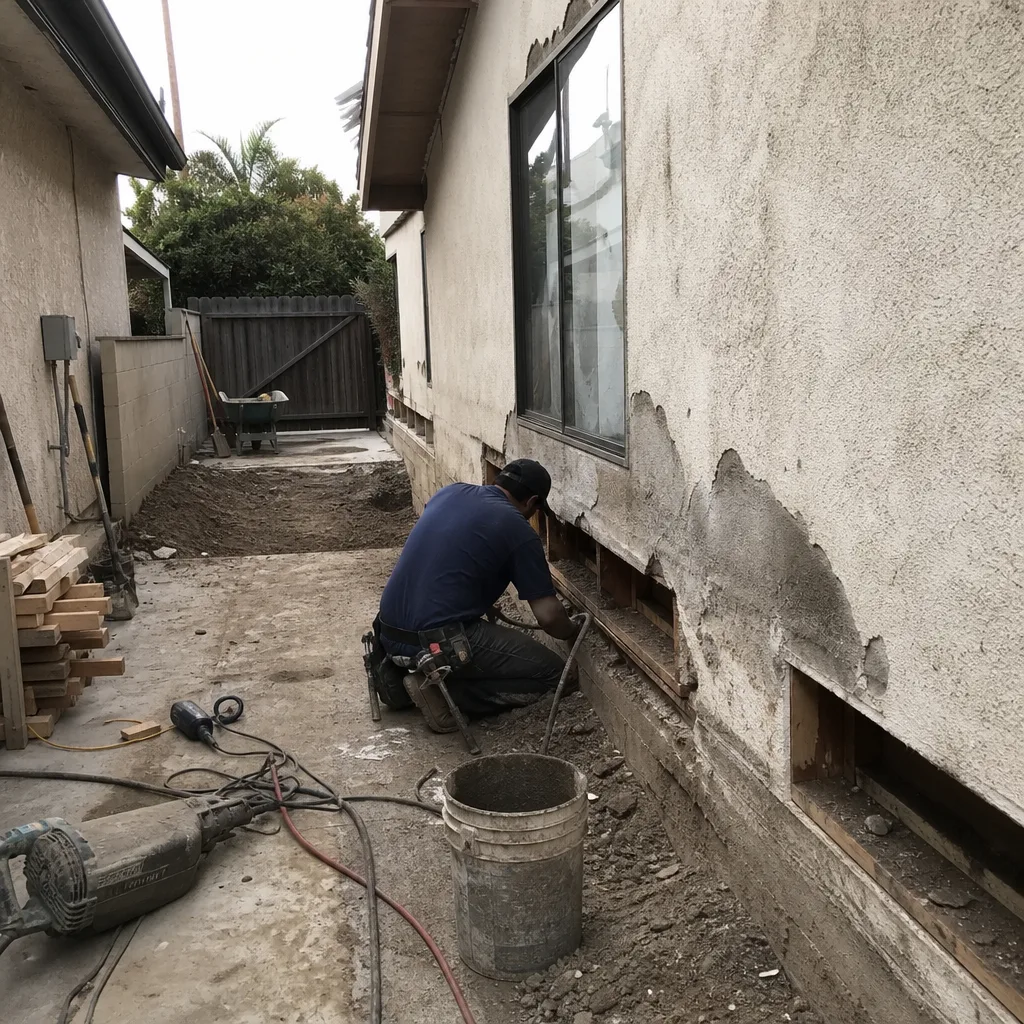 Before
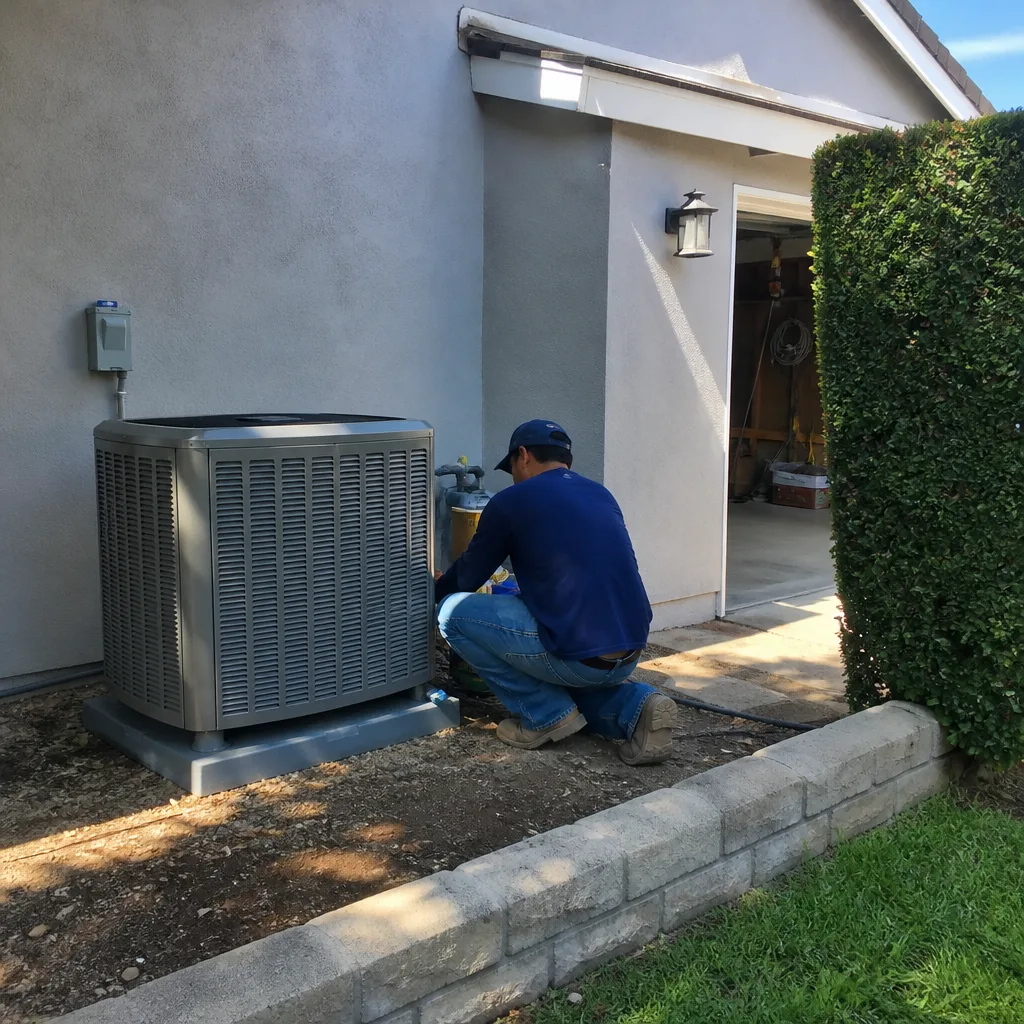 After
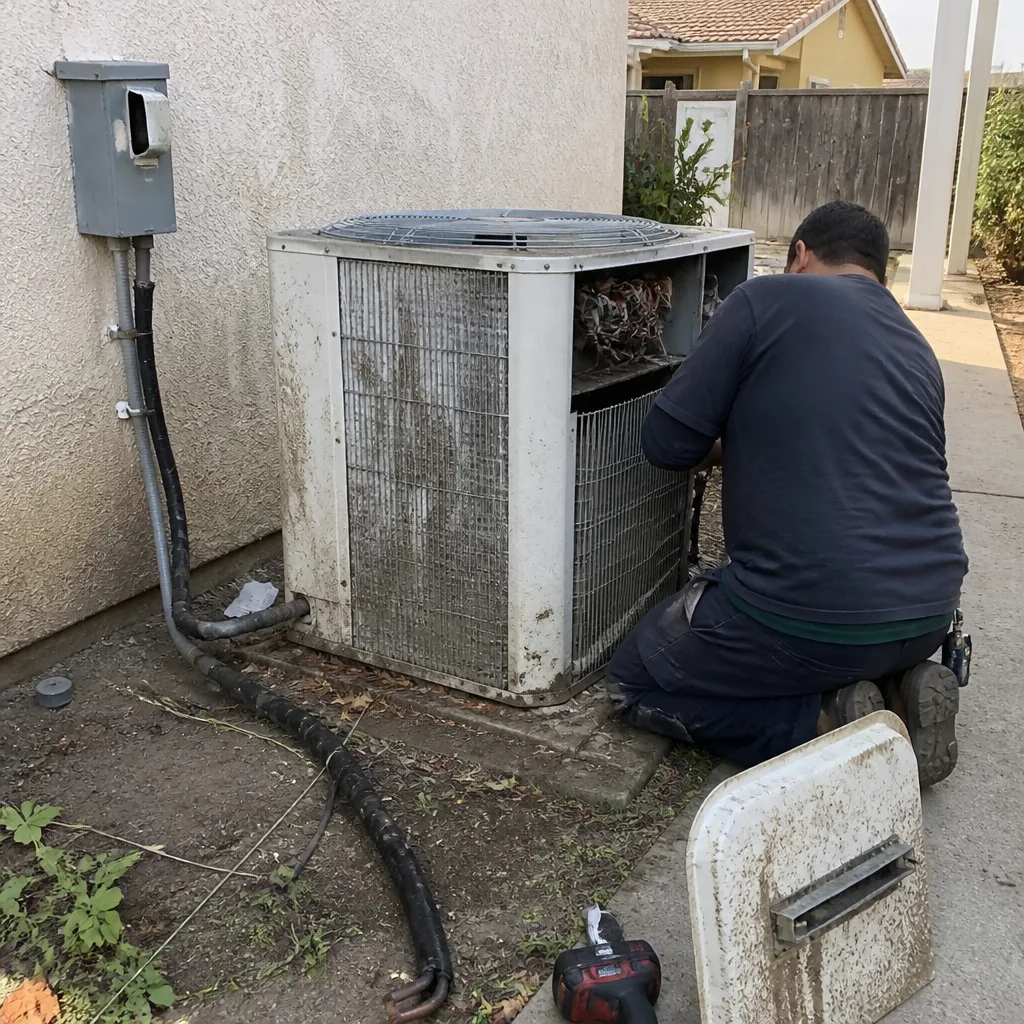 Before
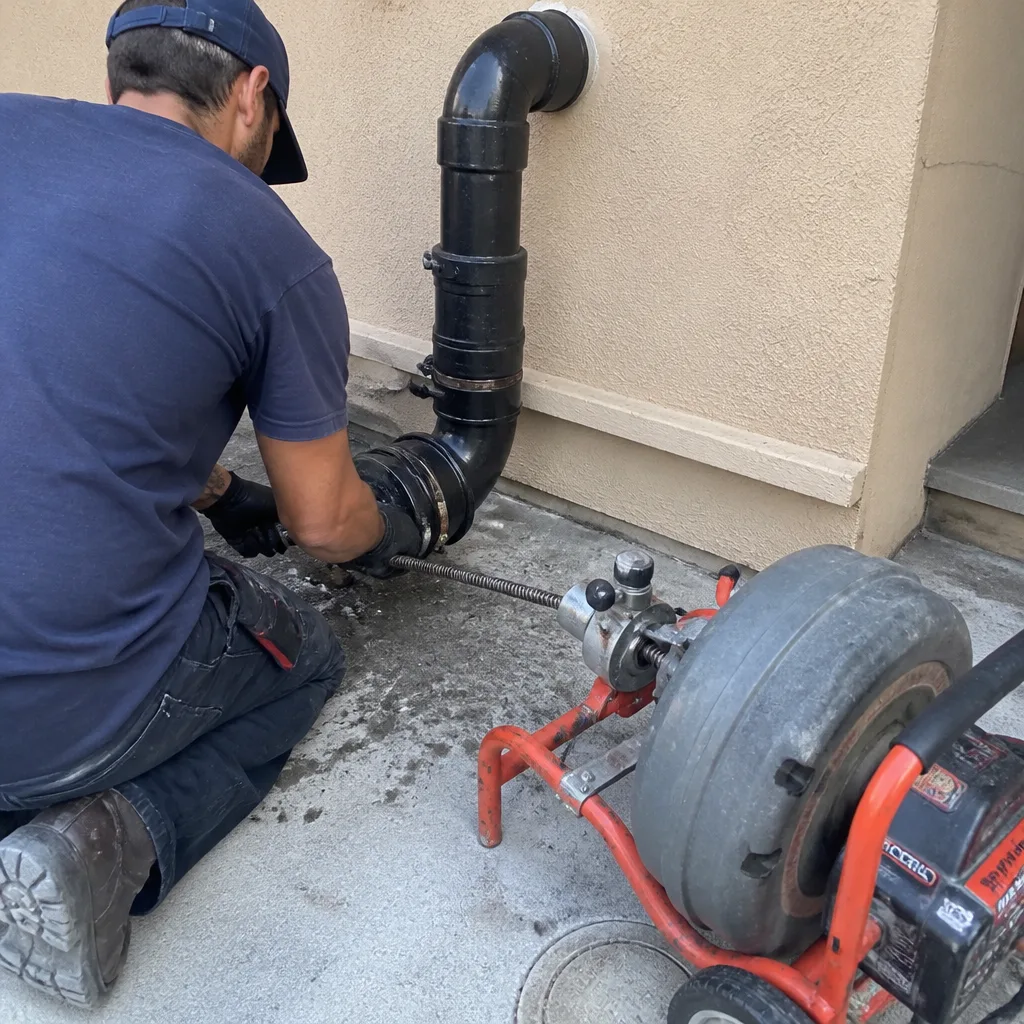 After
When to Call a Professional
Some of this is genuinely DIY, and some of it absolutely is not. If you find a roof leak, visible water staining on an interior ceiling, a water heater that’s leaking from the tank itself, a gas smell, or an electrical panel that’s warm to the touch, stop and call a licensed contractor. The same applies to window replacement, structural repairs, re-roofing, and any project touching gas or electrical systems. Working with a single general contractor who coordinates these trades means one point of contact instead of four separate bids and schedules. Elmwood Contractors offers free estimates in Fullerton. Call (866) 253-8554 and we’ll walk the property with you, identify the maintenance items that matter, and give you a written line-item quote for anything that needs to happen now.
Frequently Asked Questions
Twice a year in Fullerton: once in March after the winter rains, and once in September before Santa Ana wind season. The pre-wind inspection in September is the more important of the two, because wind damage is the leading preventable cause of roof failure in our climate. If a roof is older than 10 years, an annual inspection by a licensed contractor is the minimum we recommend.
Walk the roof edges for lifted or deteriorated shingles, check fence posts for movement, inspect exterior cladding at window and door perimeters, and confirm that all patio covers and trellises are tightly fastened. Do this in September. The first Santa Ana event in Fullerton typically arrives in early to mid-October, and once the wind starts, demand for roofers and fence repair crews triples.
Yes, and the timeline is shorter than most homeowners expect. Fixture aerators clog within 3 months, toilet flappers fail within a year, dishwasher components degrade within 2 years, and water heaters die at 7 to 9 years instead of the 10 to 12 typical elsewhere. The water from the Municipal Water District of Orange County runs 300 to 400 ppm dissolved minerals, which is classified as very hard. If you’re replacing fixtures due to scale damage, choose finishes and brands rated for hard water exposure rather than repeating the same selection.
Minor maintenance like cleaning gutters and replacing a single visible nail is DIY territory on a single-family home you own and occupy. Anything involving shingle replacement, flashing repair, or underlayment work requires a licensed contractor under California law, and the safety risk of working at roof height is real. If the repair is big enough that a fall would hurt you or a mistake would leak into the house, it’s big enough to call a professional. For guidance on what to watch for, read our General Contractor Troubleshooting: Common Problems and How to Fix Them.
For a mid-size single-family home in Fullerton, plan on $5,000 to $8,000 per year as a realistic average, with bigger years when a roof, water heater, or exterior paint cycle comes due. The cheapest approach is preventive: a $50 descaler treatment for a water heater saves a $1,800 replacement, and a $200 re-caulking job prevents a $12,000 water intrusion repair later. Call (866) 253-8554 for an exact maintenance scope and quote for your specific property.
Keep a simple log with the date, scope of work, specific products or brands used, contractor name and license number, and photos from before and after. Store receipts. For Fullerton homeowners, this documentation matters most in two situations: an insurance claim where the carrier argues deferred maintenance caused the damage, and a permit application where the plan checker needs to verify the existing condition and work history of the house. A maintenance log with photos is often the difference between a covered claim and a denial.
The Bottom Line
Fullerton homes fail in predictable ways that generic maintenance advice never addresses. The hard water from MWDOC attacks plumbing and fixtures on a six-month schedule. The Santa Ana winds punish roofs, fences, and exterior cladding every fall. UV from inland Orange County sun destroys sealants and finishes faster than manufacturer spec sheets assume. Your maintenance plan should be built around those three forces, and the highest-leverage action is a professional walk-through in September before wind season starts. Get the roof checked, the fences tightened, the caulk replaced. If any of it is beyond basic DIY, call a licensed contractor and get the work done before the problem gets expensive. Elmwood Contractors serves Fullerton homeowners with free estimates and written line-item quotes. Reach us at (866) 253-8554.
Written by the team at Elmwood Contractors, serving Fullerton since 2011. For more guides & resources, visit our blog.