
Last updated October 30, 2026
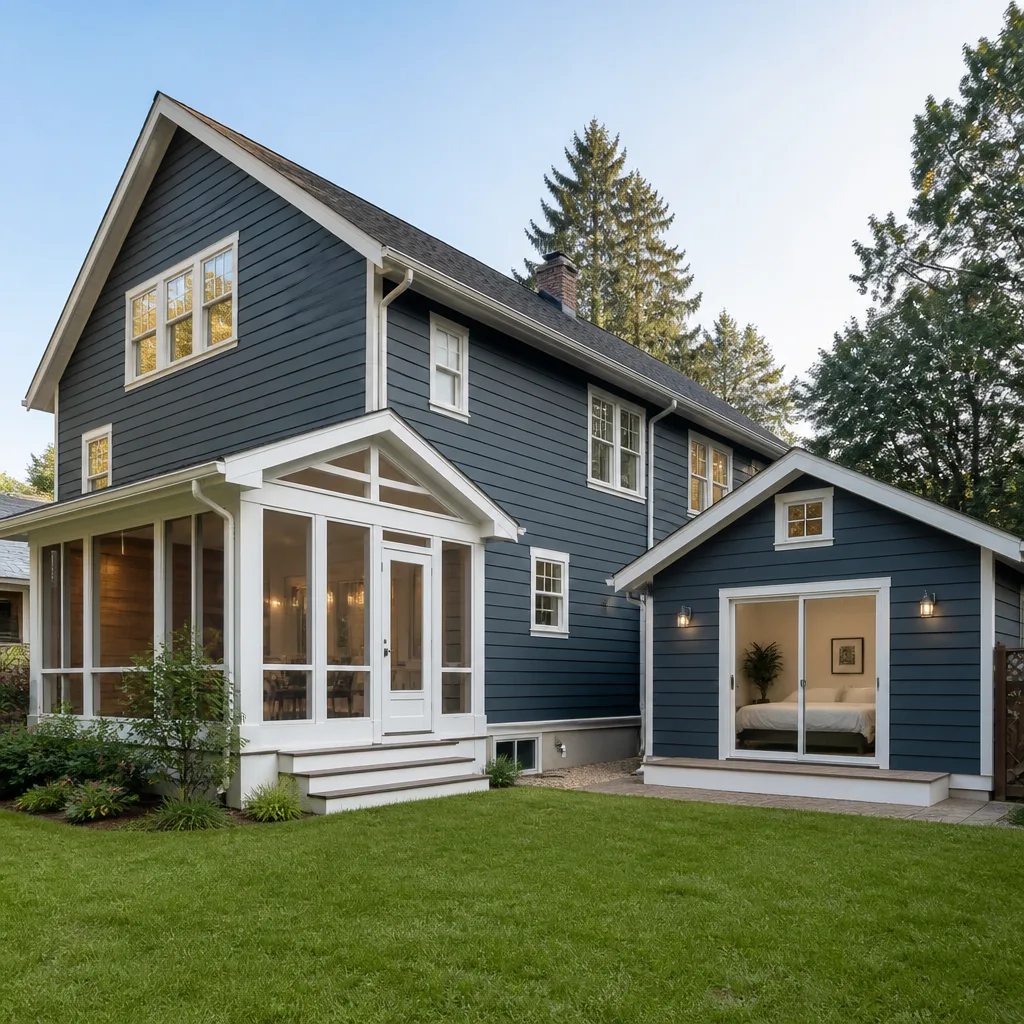 Home additions & ADU
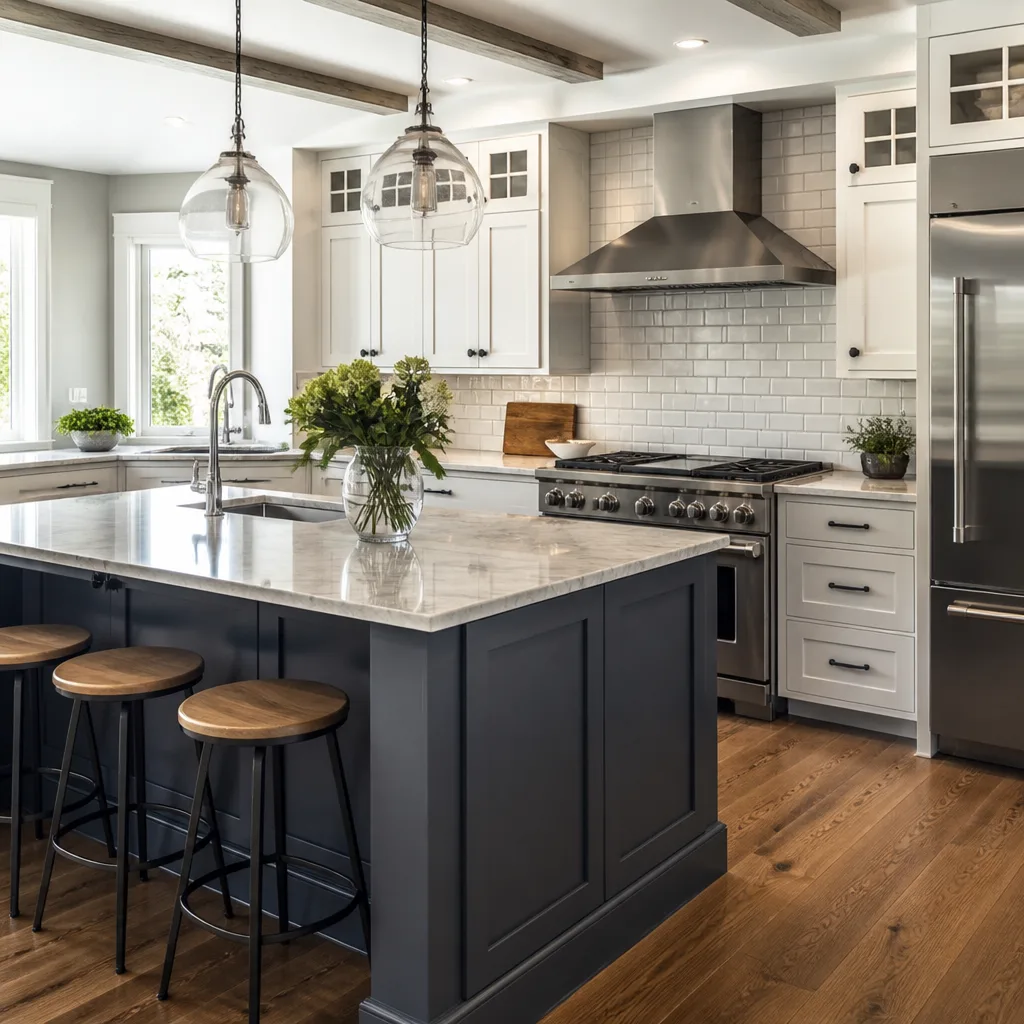 Kitchen remodeling
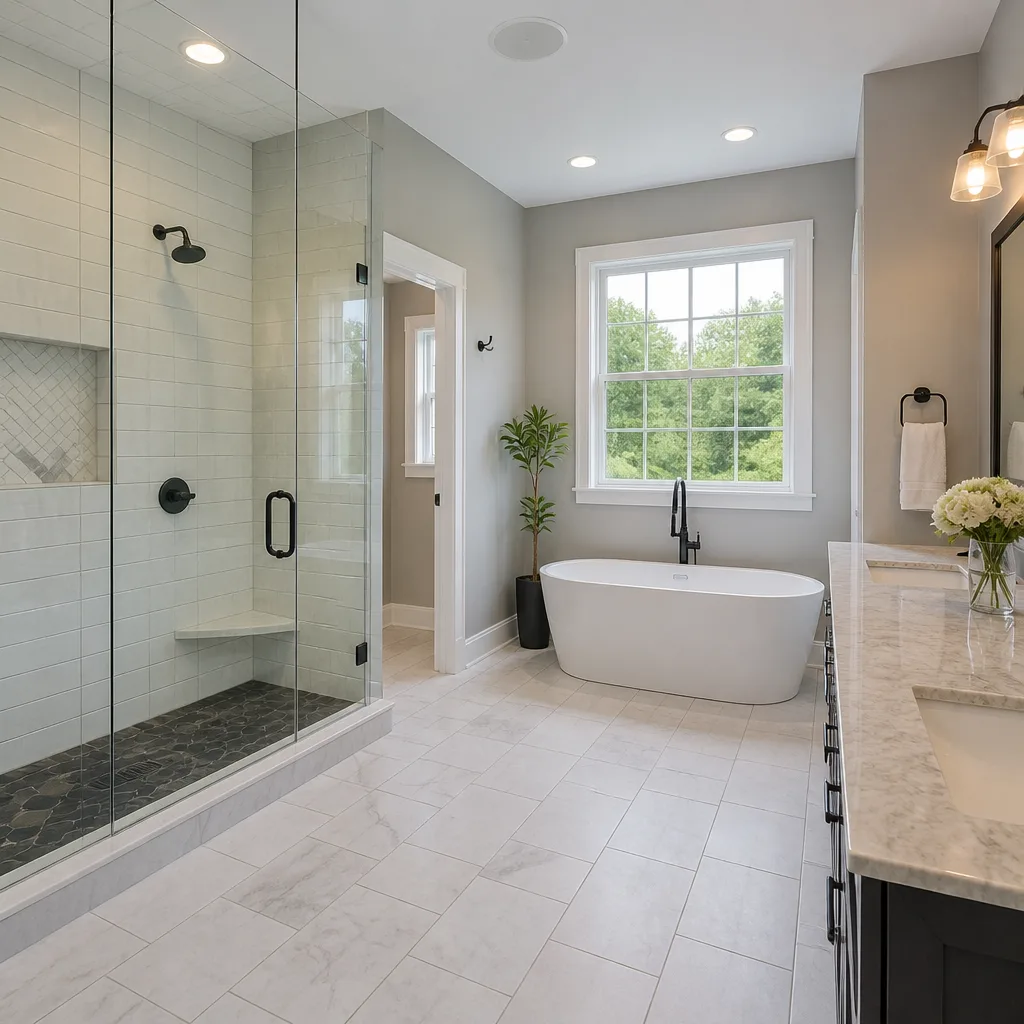 Bathroom remodeling
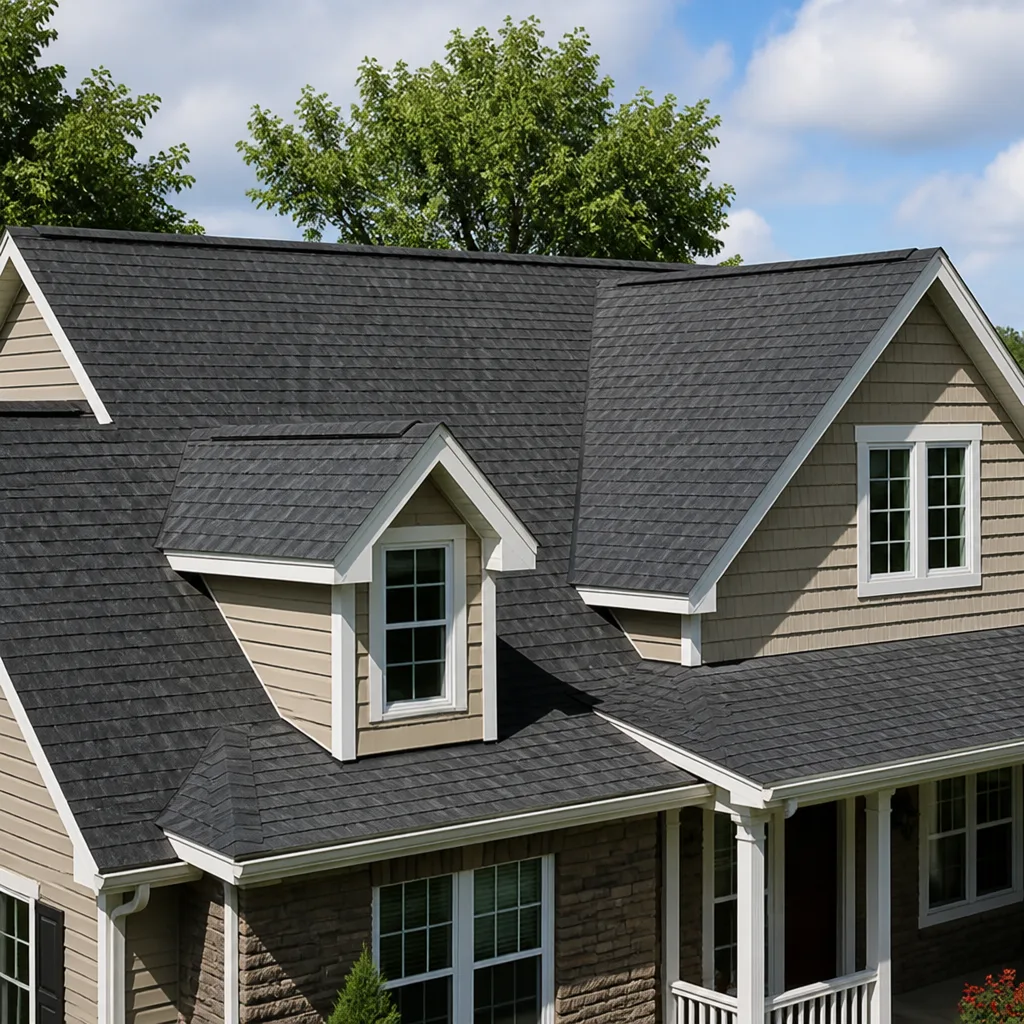 Roofing
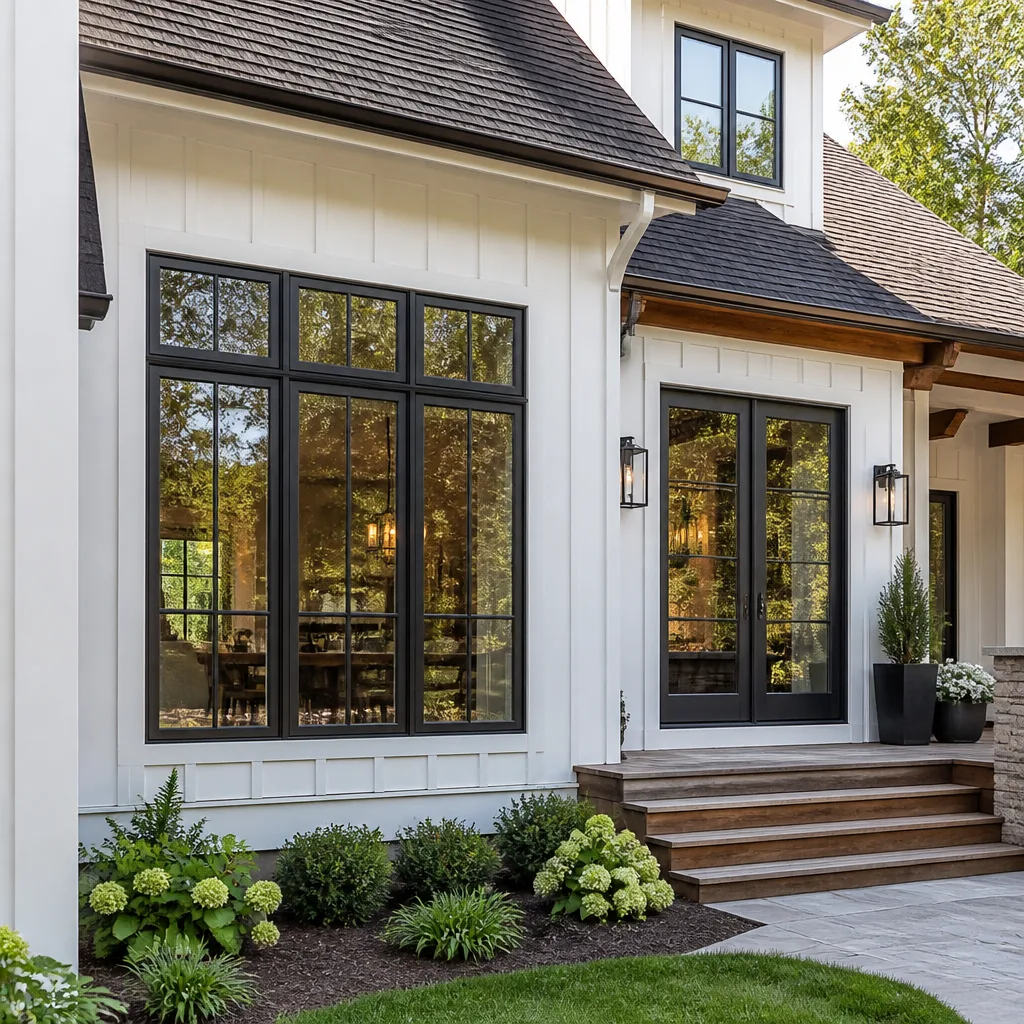 Windows & doors
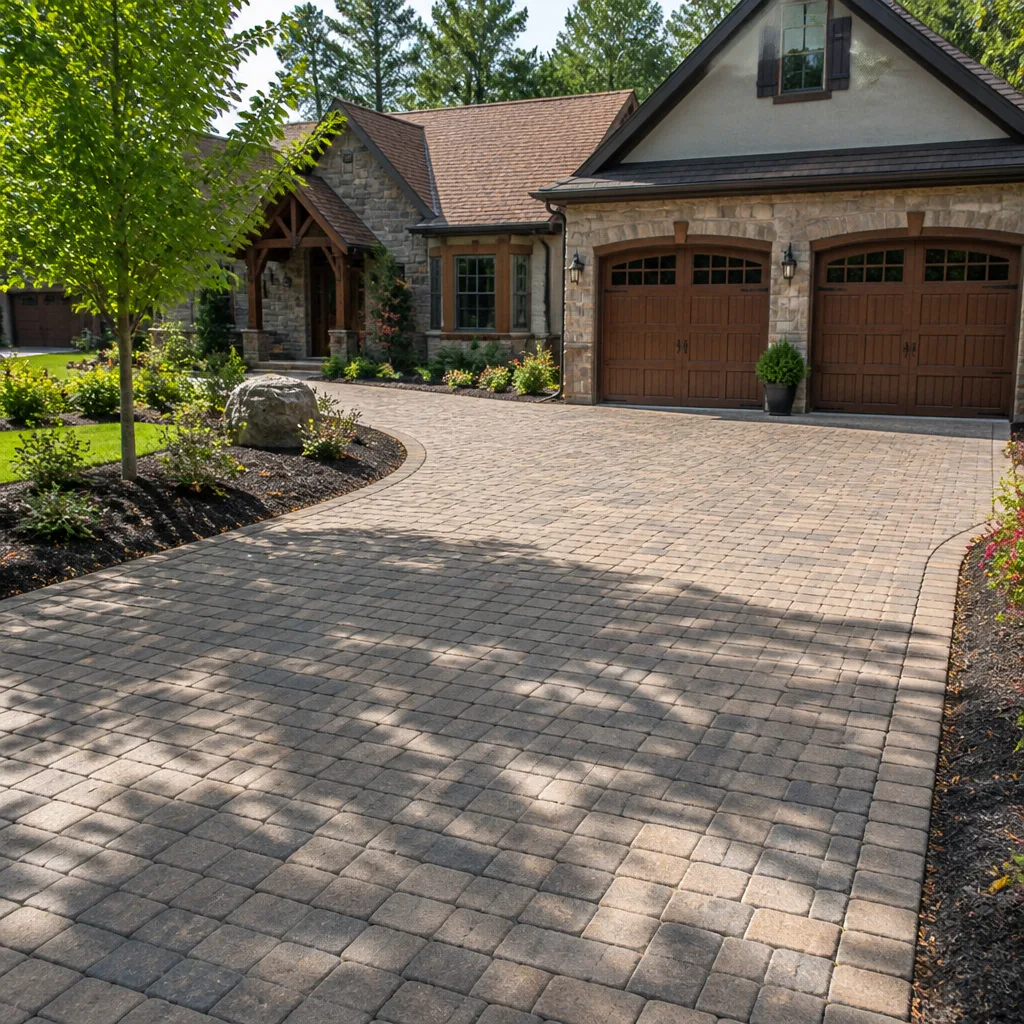 Driveway & pavers
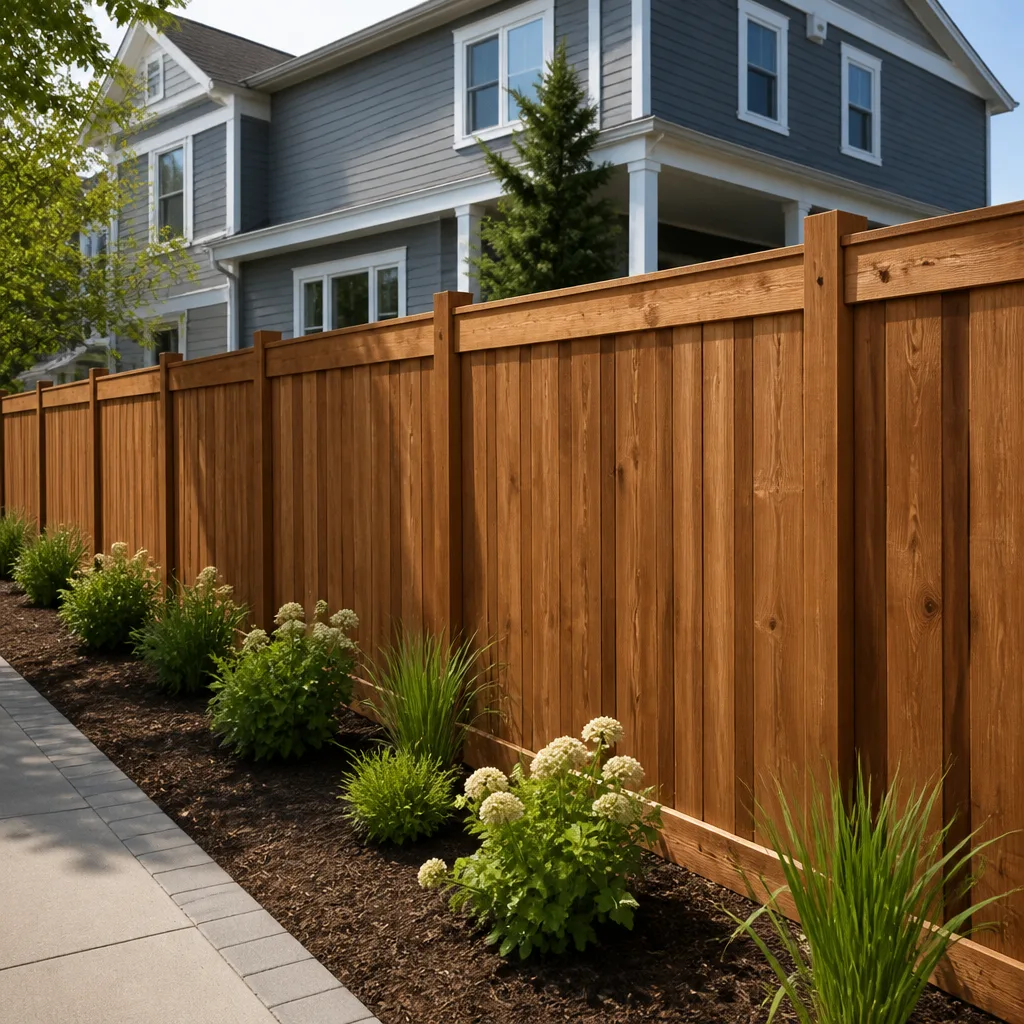 Fence
Free written scope consultation - allowances, timeline, and change-order rules on paper before a single trade is scheduled
Construction Cost Breakdown: The Fullerton Homeowner’s Reference for 2026
Labor accounts for 40 to 50 percent of most residential construction costs in California, compared to 30 to 35 percent nationally. That single difference means any cost estimate built on national benchmarks is structurally wrong before a single line item gets filled in. This guide is built from 2026 Fullerton project data, not national averages. You’ll learn where money actually goes on a Fullerton remodel or addition, which material upgrades pay for themselves, what the city charges for permits, and why the coordination model you choose changes your final number by thousands of dollars. For more guides & resources, see our blog.
Quick Answer
A mid-range full home remodel in Fullerton runs $180 to $320 per square foot in 2026, a kitchen remodel $45,000 to $95,000, and a primary bathroom $28,000 to $55,000. Those numbers assume standard to premium material selections, a licensed general contractor coordinating the work, and current Fullerton permit fees included. Labor is the single largest cost category at 40 to 50 percent of the total, which is why who manages the labor matters as much as which materials go in.
Styles & brands we work with
Table of Contents
- Labor Rate Breakdown by Trade in Orange County
- Material Costs: Where Brand Choice Moves the Number
- Fullerton Permit Fees and Inspection Costs for 2026
- How to Calculate Contingency for Fullerton Projects
- Single-Source GC Coordination vs. Managing Subs Yourself
- Room-by-Room Cost Benchmarks for Fullerton
- Prefab and ADU Construction Costs in Fullerton
- Hidden Costs That Show Up Mid-Project
Labor Rate Breakdown by Trade in Orange County
Labor is the structural foundation of your budget, and in Fullerton it is priced differently than almost anywhere else in the country. Orange County union and prevailing wage pressure, high workers’ compensation costs, and the simple economics of a dense coastal housing market push skilled trade rates well above national figures. A framing carpenter charging $38 per hour in Texas costs $65 to $85 per hour here.
Here is what we see on active Fullerton projects in 2026. These are total contractor bill rates, meaning the number includes base wage, payroll burden, insurance allocation, and the subs’ overhead and profit margin.
- Framing and rough carpentry: $65 to $90 per hour
- Licensed electricians: $90 to $130 per hour
- Licensed plumbers: $85 to $125 per hour
- HVAC installers: $80 to $115 per hour
- Drywall finishing: $55 to $75 per hour
- Tile setting: $60 to $95 per hour, depending on material and layout complexity
- Finish carpentry: $70 to $100 per hour
The electrical and plumbing numbers are worth a second look. In Fullerton, any project that touches load-bearing walls, panel work, or gas lines pulls permits and inspections. See our Construction Permits, Codes & Inspections in CA: What You Need to Know for deeper context. Licensed trade labor is not optional on permitted work, and that is exactly where the cost sits: trained, code-fluent professionals who understand California’s Title 24 energy requirements and can pass a Fullerton inspection the first time.
What does this mean for planning? For a typical two-bathroom remodel, labor alone lands between $24,000 and $38,000 before a single fixture gets ordered. Understanding that number up front is the difference between a realistic budget and a surprise halfway through the job.
Material Costs: Where Brand Choice Moves the Number
Material spreads in 2026 are wider than they have been in a decade. Supply chains have stabilized, but manufacturer pricing strategies have split into two clear tiers: spec-grade products built to hold a builder’s bid and premium products built to perform and look better for longer. The gap between the two is where smart Fullerton homeowners make deliberate choices.
Countertops are the clearest example. A standard granite or entry-level quartz runs $45 to $65 per square foot installed. A Caesarstone surface lands at $75 to $110 per square foot, and the premium goes into edge detailing, color consistency, and stain resistance that holds up over a decade of daily use. We recommend specific brands because we have watched them perform on Fullerton projects over years, not because a supplier pushed inventory. For a kitchen with 55 square feet of countertop, that decision moves the budget by roughly $2,200 to $3,500.
Plumbing fixtures show the same pattern. A spec-grade bath faucet at $80 works for a rental turnover. A Kohler or Moen fixture at $180 to $450 brings ceramic disc valves, warranty depth, and finish durability that survives hard water. Fullerton’s water supply is moderately hard, which means finish and valve quality are not cosmetic decisions. A Blanco sink in a kitchen carries the same logic: 18-gauge stainless, sound-dampening pads, and a mounting system that holds alignment for the life of the counter.
Where should you spend? We tell clients to allocate premium dollars where failure is expensive to fix and where the product touches daily life: countertops, plumbing valves, cabinet hardware, and exterior envelope materials. Save on items that are easy to swap later: light fixtures, paint-grade trim, and basic door hardware. The brands we specify are chosen from a vetted lineup, not a single supplier’s catalog, so the recommendation is always matched to budget and priority.
Fullerton Permit Fees and Inspection Costs for 2026
Fullerton permit costs are calculated differently than most surrounding cities, and they are the most frequently omitted line item in contractor estimates. If a bid does not list them, the homeowner pays them out of pocket, and they are not small.
Here is the structure for 2026:
- Building permit base fee: Fullerton uses a valuation-based fee schedule. A $50,000 remodel triggers a building permit fee in the range of $600 to $900, depending on the scope classification.
- Plan check fee: Typically 65 percent of the building permit fee. For structural changes, engineered drawings are required, and plan check adds $400 to $900.
- Mechanical, electrical, and plumbing permits: Each separate trade permit runs $200 to $600 in Fullerton, and each carries its own inspection sequence.
- School district fees: Fullerton falls under the Fullerton School District and Fullerton Joint Union High School District fee programs. New square footage is assessed at roughly $4.50 to $5.20 per square foot for residential additions. On a 400-square-foot addition, that is $1,800 to $2,100 in school fees alone.
- Inspection re-visits: A failed inspection in Fullerton incurs a re-inspection fee of $150 to $250 per visit. Passing the first time is a money-saver, and it depends entirely on the tradesperson’s familiarity with Fullerton code specifics.
A typical permitted kitchen and bath remodel in Fullerton carries $2,500 to $5,000 in total municipal fees. An addition with new square footage carries $5,000 to $9,000. Any estimate that does not show these as explicit line items is understating the real number. This is one of the reasons our general contractor service in Fullerton includes permit pulling and inspection coordination as part of the scope, with costs disclosed before the contract is signed.
How to Calculate Contingency for Fullerton Projects
Contingency is the line item homeowners resist and contractors insist on. In Fullerton, it is not a hedge against your contractor’s mistakes. It is a recognition of what sits behind your walls. For related guidance, read our Construction Warning Signs: A Fullerton Homeowner’s Reference Guide. Much of Fullerton’s housing stock dates from the 1950s through the 1970s, and what you find during demolition is rarely what the original blueprints suggested.
Soil variability matters here too. Fullerton sits on a mix of alluvial soils, with pockets of expansive clay in neighborhoods east of Harbor Boulevard. Foundation work on an addition can encounter conditions that require deeper footings or soil treatment, adding $3,000 to $12,000 to a ground-up scope. The time to learn that is during soil testing, not during excavation week.
We calculate contingency using a three-tier structure:
- Interior remodels with no structural changes: 8 to 10 percent of total project cost.
- Projects that open walls or modify structural elements: 10 to 15 percent.
- Additions, ADUs, or any scope with new foundation work: 15 to 20 percent.
The 15 to 20 percent number feels heavy until you consider what it covers: dry rot repair behind stucco, outdated wiring that no longer meets code once exposed, cast iron drain lines that crack during demolition, and the inevitable discovery that the previous remodeler cut corners. Contingency is not spent by default. On a clean project, it returns to you as unspent budget. On a typical Fullerton older home, it gets partially consumed by reality. Plan for the number that matches your scope.
This is where home renovation in Fullerton gets its reputation for budget surprises. The surprises do not come from the contractor who budgets for them. They come from the contractor who does not mention them until the wall is open.
Single-Source GC Coordination vs. Managing Subs Yourself
There is a number on every contractor’s bid called general conditions, and homeowners sometimes ask why it exists. The answer is that coordination is actual work, and in Fullerton it is work measured in hours. A single-source general contractor charges 15 to 22 percent of project cost for this role. Managing the subs yourself saves that line item on paper. Here is what you trade away.
When you act as your own general contractor on a Fullerton remodel, you inherit scheduling, sequencing, and quality accountability. A plumber who finishes rough-in late pushes the wall inspection, which pushes insulation, which pushes drywall, which pushes every finish that follows. One missed day in the middle of the critical path carries downstream cost measured in weeks. You also inherit the responsibility of knowing whether the electrician’s panel work will pass a Fullerton inspection, whether the tile sub is waterproofing to Schluter specifications, and whether the framer is nailing off to Title 24 structural requirements.
The hidden costs of self-managing include:
- Schedule slippage: Subs prioritize their relationship with general contractors who feed them continuous work. A one-off homeowner is the lowest scheduling priority.
- No single warranty point: When tile cracks and the tile sub says it is a substrate problem and the framer says it is a deflection issue, you are the person trying to sort out responsibility.
- Material coordination gaps: Fixtures arriving late, wrong trim sizes, missed rough-in dimensions. Each one is a delay with a dollar figure attached.
- Inspection failures: Fullerton inspectors are thorough, and they write corrections. A contractor who passes regularly knows what is coming. A homeowner who pulls an owner-builder permit does not.
What does coordination actually cost in 2026? For a $100,000 remodel in Fullerton, a general contractor’s fee of 15 to 18 percent is $15,000 to $18,000. The cost of a two-month schedule overrun, even at modest carrying costs, routinely exceeds that number. The question is not whether coordination costs money. The question is whether the alternative costs more. In our experience on Fullerton projects, it usually does. That is the entire reason home remodeling in Fullerton works better as a single accountable scope: one contractor, every trade, interior to exterior, with one point of contact and one standard for the final product.
Room-by-Room Cost Benchmarks for Fullerton
Here are 2026 benchmark ranges for common Fullerton scopes. These assume a licensed general contractor, current permit fees included, and material selections in the mid-to-upper tier. The lower number is functional and smart. The upper number is premium without being indulgent.
- Kitchen remodel (200 to 300 square feet): $45,000 to $95,000. Cabinet line selection from KraftMaid or Wellborn accounts for $12,000 to $28,000 of that range. Countertops at Caesarstone level add $4,500 to $7,500. Appliance packages add $6,000 to $18,000.
- Primary bathroom remodel (60 to 120 square feet): $28,000 to $55,000. Kohler or Moen fixtures, full tile wet area with Schluter waterproofing, custom vanity.
- Secondary bathroom remodel: $18,000 to $35,000. Smaller footprint, spec-level fixtures at the lower end, premium at the upper end.
- Whole-home interior remodel (1,800 to 2,400 square feet): $180 to $320 per square foot, so $325,000 to $770,000. The spread is driven entirely by scope: are you replacing surfaces or reconfiguring walls, systems, and layout?
- Room addition (400 to 600 square feet): $250 to $380 per square foot, so $125,000 to $230,000 with Fullerton permit and school district fees included.
- Roof replacement (1,500 to 2,500 square feet): $18,000 to $38,000. GAF, CertainTeed, or Owens Corning systems installed to manufacturer specification for warranty coverage.
- Exterior envelope project (siding plus windows): $40,000 to $110,000. James Hardie fiber cement and PGT or CGI impact-rated windows. Wide range driven by window count and two-story versus single-story access.
These are not box-store installer numbers. They reflect Fullerton labor rates, Fullerton permit costs, and the material quality level that matches a home you plan to live in for the next two decades.
Prefab and ADU Construction Costs in Fullerton
Prefab construction has moved from niche experiment to legitimate option in Fullerton, and the cost profile is different enough from stick-built that it deserves its own section. Traditional ADU construction in Fullerton runs $300 to $450 per square foot when you account for site work, foundation, utilities, permits, and finish. A prefab system from Abodu, Dvele, or Mighty Buildings lands at $280 to $400 per square foot, with the spread driven by site conditions more than the unit itself.
The advantage is not always the sticker price. It is time. A stick-built ADU in Fullerton takes 9 to 14 months from permit submission to final inspection. A prefab unit can go from site prep to occupancy in 4 to 7 months, depending on planning and utility connections. Time is money when you are carrying construction financing or losing rental income during the build.
Here is how the budget breaks down on a 500-square-foot prefab ADU in Fullerton:
- Unit cost from the factory: $120,000 to $180,000 depending on brand and finish level.
- Site work in Fullerton: $25,000 to $55,000. This includes foundation, utility trenching, and connection fees. Soil conditions east of downtown Fullerton can push this number higher if expansive clay requires over-excavation.
- Fullerton permit and school district fees: $3,500 to $7,000, using the same schedule described earlier.
- Delivery and crane placement: $8,000 to $18,000 depending on street access and setback clearance.
- Connection and finish trades: $20,000 to $40,000 for electrical, plumbing, and mechanical tie-ins performed by licensed Orange County trades.
Total realistic range: $180,000 to $300,000. That is a wide band, and the variable is almost always site work, not the prefab unit itself. If you are considering this path in Fullerton, the first number to pin down is what your specific lot requires for foundation and utilities. Everything else flows from there.
Hidden Costs That Show Up Mid-Project
These are the line items that never appear in a preliminary estimate but reliably appear in a Fullerton project’s reality. Budget for them or be surprised by them.
- Asbestos and lead abatement: Homes built before 1978 commonly have lead paint somewhere. Homes built before 1980 commonly have asbestos in flooring, drywall compound, or duct wrap. Abatement in Fullerton runs $2,000 to $12,000 depending on scope. It is not optional once discovered.
- Sewer lateral replacement: The city of Fullerton has been aggressive about sewer lateral inspection requirements on remodels. An older clay lateral that fails inspection gets replaced at $6,000 to $15,000, and the work happens before the remodel proceeds.
- Panel upgrades: A 2026 Fullerton remodel that adds circuits, a heat pump, or an ADU frequently requires a 200-amp panel upgrade. Budget $3,500 to $6,500.
- Title 24 compliance upgrades: California energy code is not optional, and it gets stricter every cycle. A remodel that opens walls triggers insulation, glazing, and lighting requirements that add $3,000 to $9,000 to the mechanical scope.
- Temporary housing and storage: A whole-home remodel pushes you out for 4 to 8 months. Storage units, short-term rentals, and moving costs add $12,000 to $35,000 to your real cost, even though it never appears on the contractor’s bid.
None of these are contractor markups. They are discovery items tied to Fullerton’s aging housing stock and California’s regulatory environment. A contractor who mentions them during estimating is not padding the bid. They are telling you what the project actually requires.
Common Mistakes to Avoid
- Using national cost averages for planning. A national average kitchen remodel at $28,000 becomes $60,000 in Fullerton when labor, permits, and material grade are corrected. Plan with local numbers or plan to be surprised.
- Signing a contract without a line-item material schedule. If the bid says “countertops” without naming the brand and grade, you are signing up for the cheapest option at the price of the middle tier. We name the brands going into your home before the contract is signed.
- Skipping the permit to save money. Unpermitted work in Fullerton surfaces at resale, triggers disclosures, and can block refinancing. It also carries no inspection record, which means no city verification that the work is safe.
- Choosing materials before understanding labor. A homeowner who picks premium tile for a complex layout then gets a labor bid that doubles the material cost has made the decision in the wrong order. Material and labor are a package, not separate decisions.
- Underfunding contingency. On a 1960s Fullerton ranch, discovering knob-and-tube wiring behind a kitchen wall is not a worst-case scenario. It is a Tuesday. Budget for it.
- Picking a contractor on price alone. The lowest bid in Fullerton is low because something is missing: permits, insurance, proper material allowances, or the contractor’s profit margin. None of those omissions work in your favor.
- Ignoring the school district fee on additions. New square footage in Fullerton is assessed at $4.50 to $5.20 per square foot by the school districts. On a 600-square-foot addition, that is a $2,700 to $3,100 line item that surprises people who never heard it mentioned.
See the difference
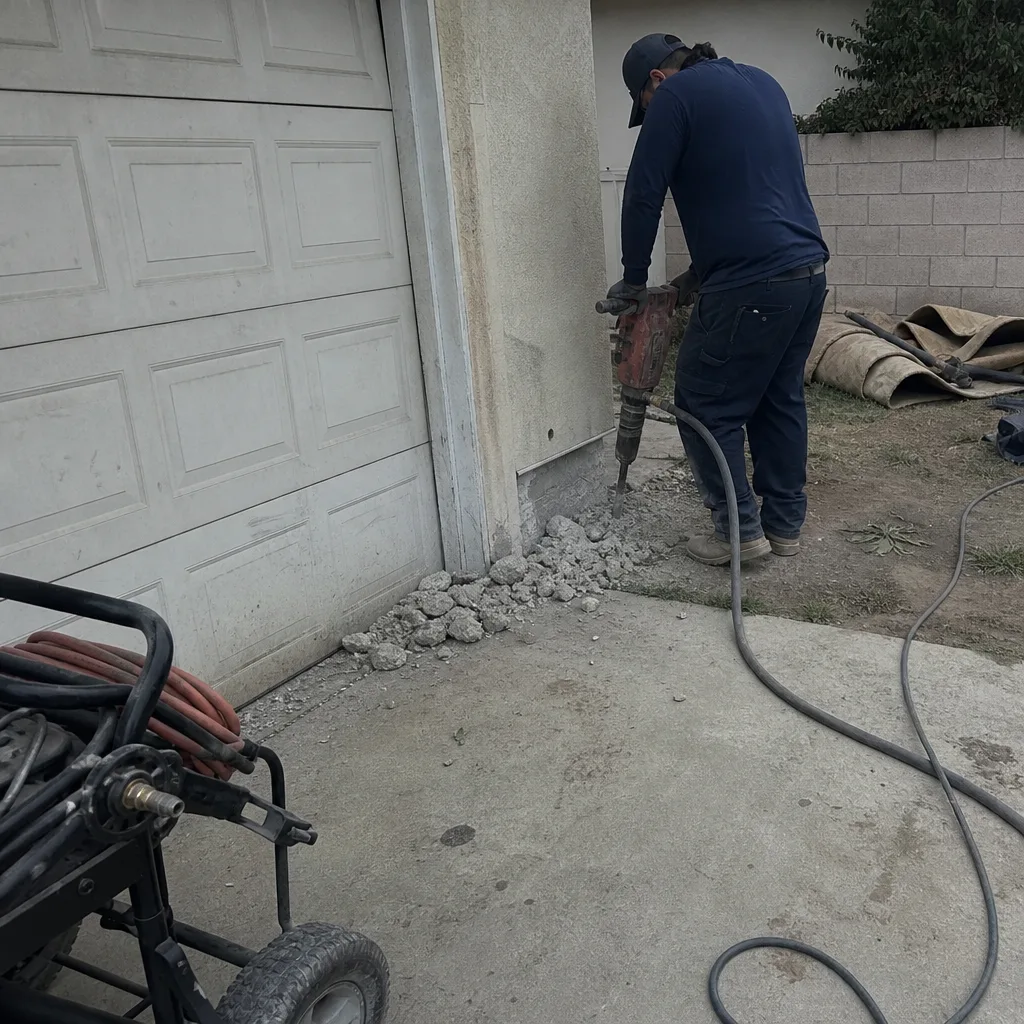 Before
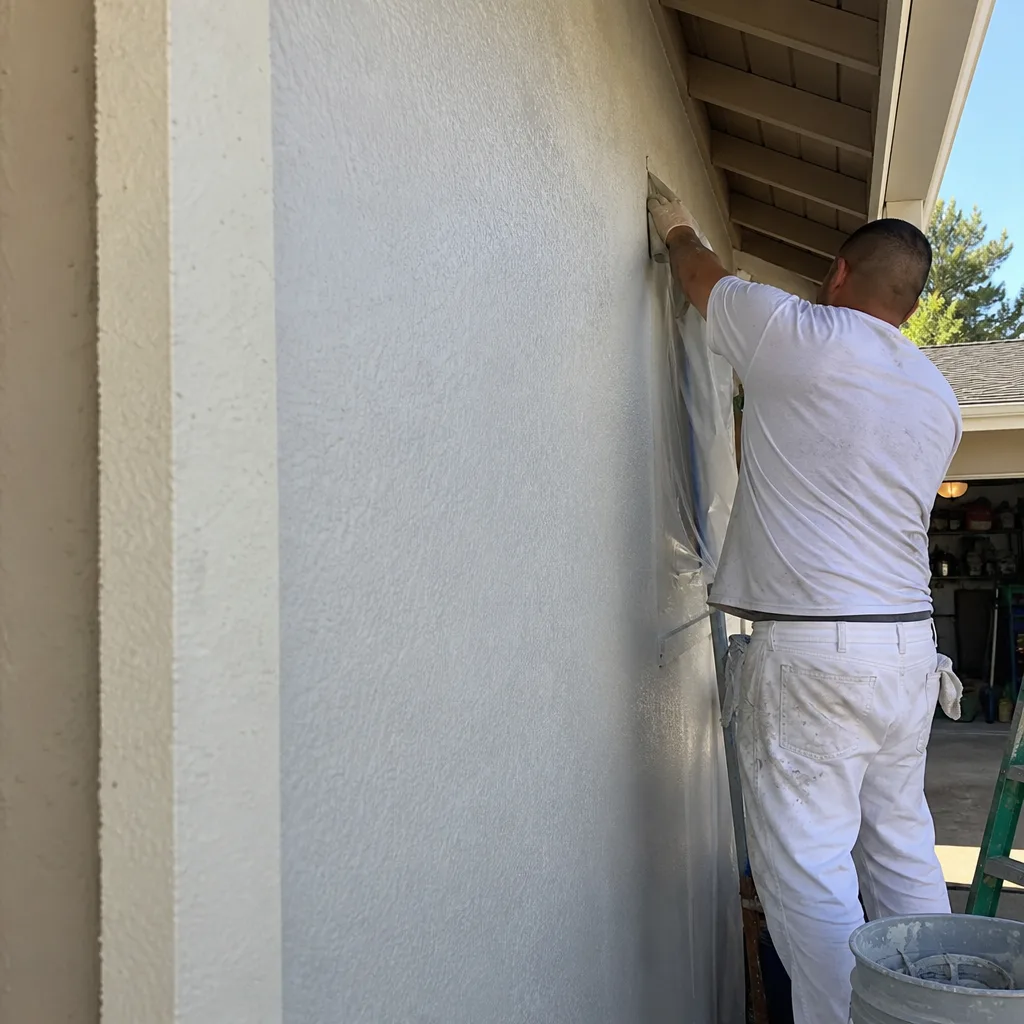 After
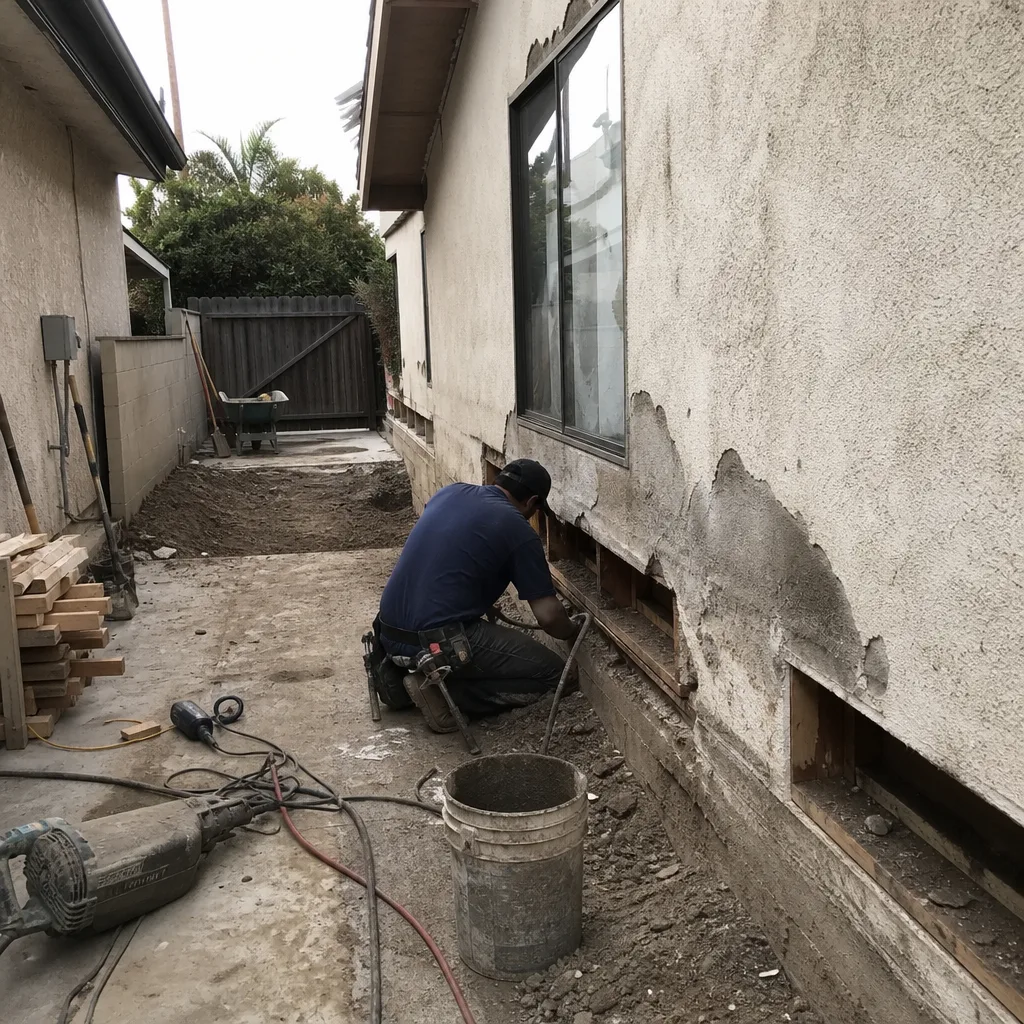 Before
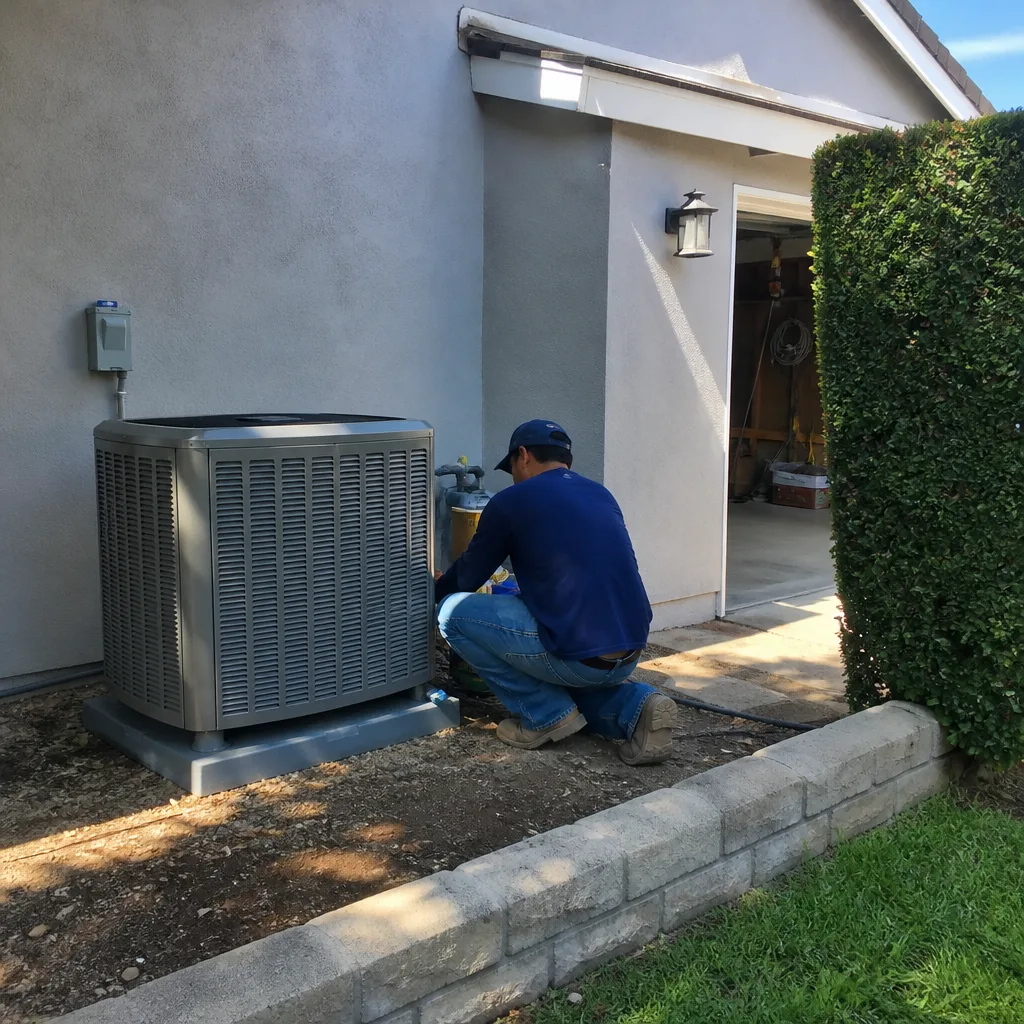 After
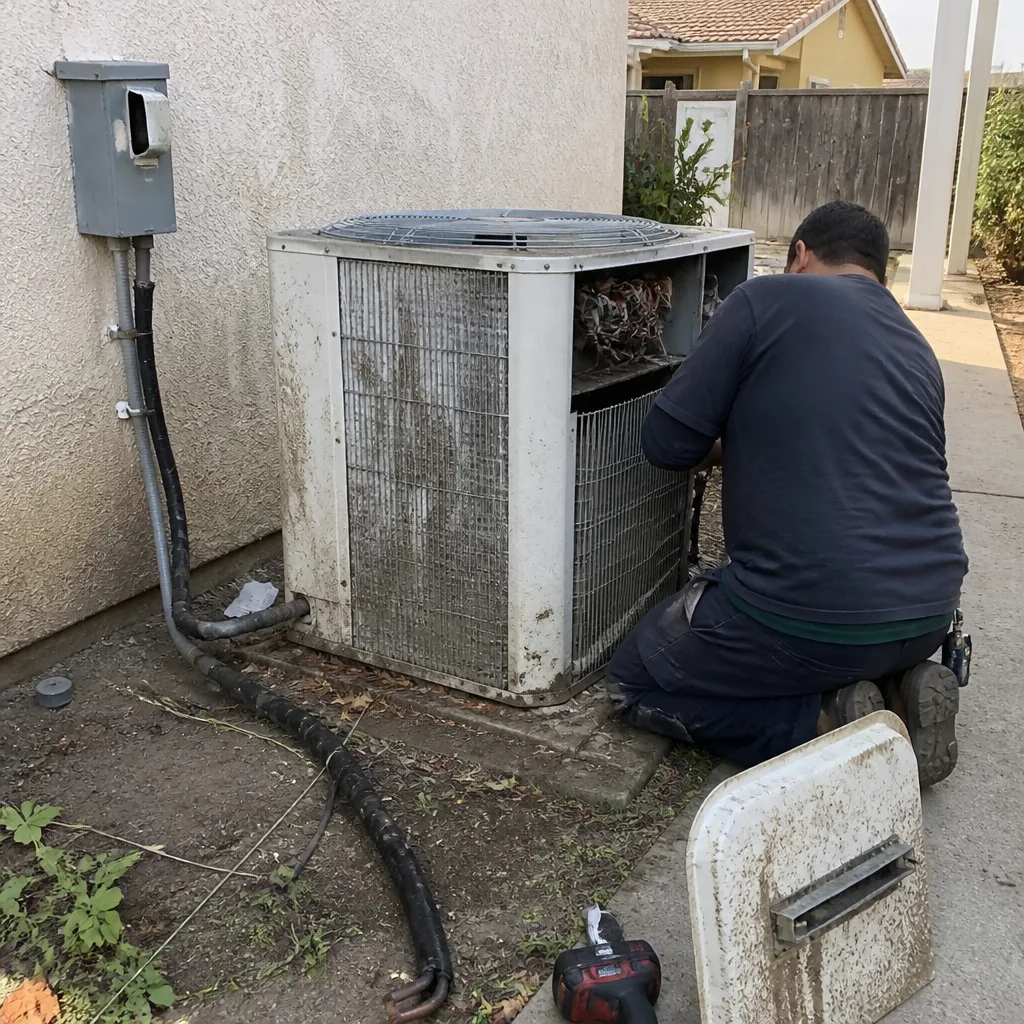 Before
 After
When to Call a Professional
Call a professional before you start designing, not after. The most expensive remodels we see in Fullerton are the ones where a homeowner planned the entire scope, ordered materials, and then called us to price the labor, only to learn that the layout does not work structurally, the materials do not meet code, or the budget was built on numbers from another state. A general contractor can give you a real price in a week. We recommend products because they perform, not because they are convenient for us. Elmwood Contractors offers free estimates in Fullerton. Call (866) 253-8554 to schedule yours, and we will walk your project room by room with current 2026 numbers.
Frequently Asked Questions
A mid-range remodel in Fullerton runs $180 to $320 per square foot in 2026, with labor at 40 to 50 percent of the total and material grade driving the spread between the low and high end. That number includes permits, a licensed general contractor, and materials selected for a home you plan to keep. Call (866) 253-8554 for a project-specific number.
Permit fees in Fullerton for a typical remodel run $2,500 to $5,000 total across building, mechanical, electrical, and plumbing permits, with additions adding $4.50 to $5.20 per square foot in school district fees. Exact fees are valuation-based and scope-dependent. A contractor who pulls permits regularly can give you the line-item number before you commit.
Fullerton sits inside the Orange County labor market, where union pressure, workers’ compensation costs, and housing-driven wage floors push skilled trade rates to 40 to 60 percent above national averages. A licensed electrician bills $90 to $130 per hour here, and that number is the market, not a markup.
A kitchen remodel in Fullerton runs 8 to 12 weeks from demolition to final inspection. A primary bathroom is 6 to 9 weeks. A whole-home remodel is 4 to 8 months. Additions run 6 to 12 months. These timelines assume permits were pulled correctly and inspections pass on schedule.
You can, but the savings of 15 to 18 percent in general conditions fees usually get consumed by schedule slippage, inspection failures, and the lack of a single accountable warranty point. Subs prioritize contractors who feed them continuous work, which means an owner-builder project is the lowest scheduling priority in Fullerton.
Budget 8 to 10 percent for surface-level interior work, 10 to 15 percent for structural modifications, and 15 to 20 percent for additions and ADUs. Our Construction Emergency Preparedness Guide for Fullerton Homes covers how to handle the unexpected when those contingencies activate. Fullerton’s older housing stock and variable soil conditions make discovery items common, and contingency is the line item that keeps those discoveries from becoming budget crises.
The Bottom Line
Fullerton construction costs in 2026 are driven by California labor economics, a permit structure that carries real fees, and housing stock that hides surprises behind its walls. Plan with local numbers, fund contingency honestly, and treat material selection as a deliberate decision with brand names attached. The coordination model matters as much as the materials: one contractor, every trade, from kitchen countertops to roofing systems to prefab additions, all under one project plan. Get a free estimate before you set the budget in stone. Call (866) 253-8554 and we will price your Fullerton project with current 2026 data, line item by line item.
Written by the team at Elmwood Contractors, serving Fullerton since 2011.